Product Overview
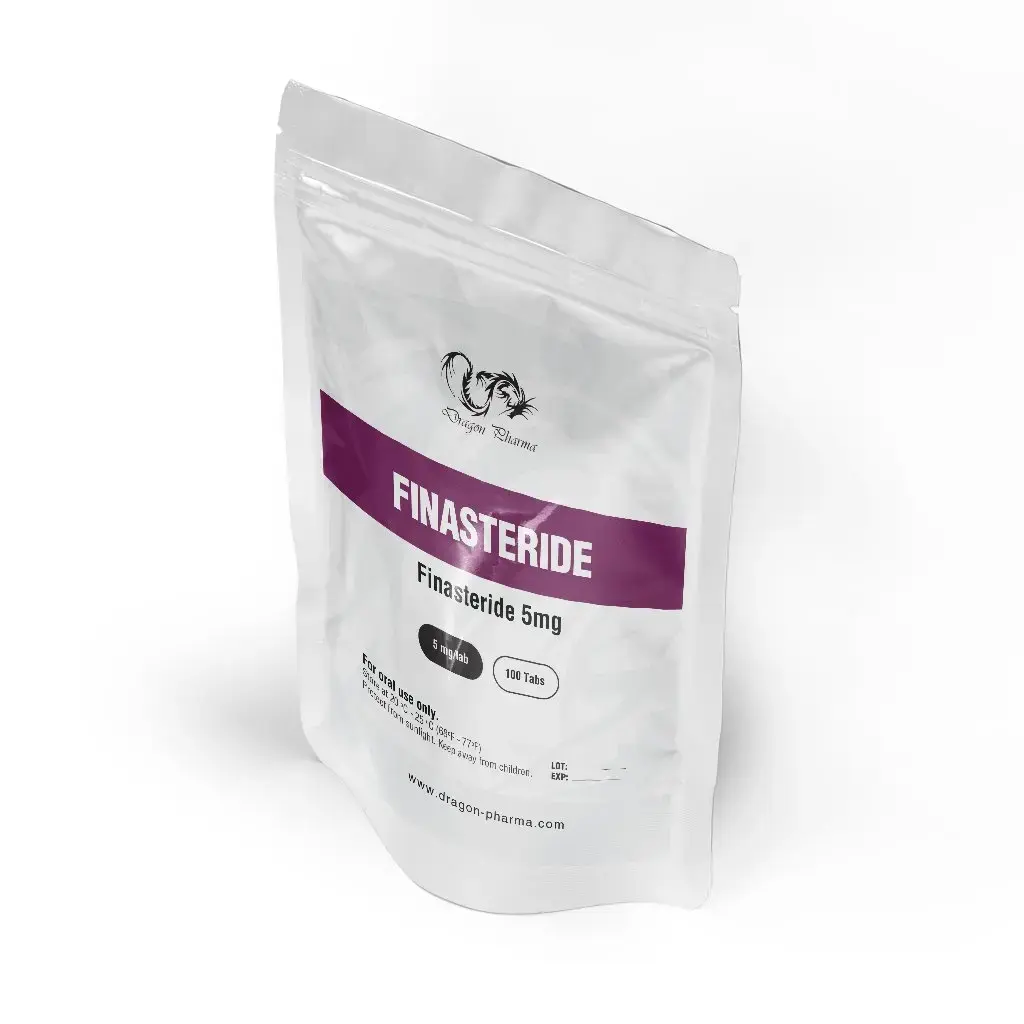
Finasteride 5 mg contains Finasteride, a selective 5-alpha reductase inhibitor used to reduce the conversion of testosterone into dihydrotestosterone (DHT). It is widely prescribed for benign prostatic hyperplasia (BPH) and androgenetic alopecia (male pattern hair loss).
Manufactured by Dragon Pharma, Finasteride is a clinically established therapy for hormonal management related to DHT.
Drug Class
Finasteride belongs to the class of Type II 5-alpha reductase inhibitors, targeting the enzyme responsible for DHT production.
Indications
Clinical Uses
- Benign prostatic hyperplasia (BPH)
- Male pattern baldness (androgenetic alopecia)
Performance Uses
- Prevention of hair loss during anabolic steroid cycles
- DHT reduction in androgen-sensitive individuals
Mechanism of Action
Finasteride works by:
- Inhibiting 5-alpha reductase enzyme
- Reducing conversion of testosterone to DHT
- Lowering circulating and scalp DHT levels
This leads to reduced androgenic effects on hair follicles and prostate tissue.
Hypertrophy Protocols
- Hair loss prevention: 0.5–1 mg daily (off-label adjustment from 5 mg tablets)
- BPH treatment: 5 mg daily
Dosing depends on the therapeutic goal.
Pharmacokinetics
- Half-life: ~6–8 hours (longer in elderly)
- Steady-state levels achieved within days
- Long-term effect on DHT suppression
Effects & Benefits
- Reduction in DHT levels
- Slowing or reversal of hair loss
- Reduction in prostate size (BPH)
- Improved urinary symptoms
Synergy & Stacking
Finasteride is commonly used alongside:
- Testosterone cycles: Reduces DHT-related hair loss
- Minoxidil: Enhances hair regrowth
- Ketoconazole shampoo: Scalp DHT reduction support
It is frequently used as part of a comprehensive hair preservation strategy.
HRT/TRT Application
Finasteride is sometimes used during TRT to manage DHT-related side effects such as hair loss and prostate enlargement.
Use in Females
Not recommended in women of childbearing potential due to risk of teratogenicity. May be used in select postmenopausal cases under supervision.
Pre-Cycle Requirements
- Baseline DHT and testosterone levels
- Prostate-specific antigen (PSA) testing
- Assessment of hair loss progression
Comparative Analysis
Compared to other DHT blockers:
- Finasteride: Selective Type II inhibitor
- Dutasteride: Broader inhibition (Type I and II)
Finasteride offers a balance between effectiveness and tolerability.
Effectiveness
Highly effective in reducing DHT levels, with visible hair benefits typically observed after 3–6 months of consistent use.
Risk Management
Hormonal Side Effects
- Reduced libido
- Erectile dysfunction
- Decreased ejaculate volume
Other Side Effects
- Mood changes
- Breast tenderness (rare)
Serious Considerations
- Persistent side effects (rare cases)
Mitigation Strategies
- Use lowest effective dose
- Monitor hormonal balance
- Consult healthcare provider if symptoms occur
What to Avoid While Using Finasteride
- Discontinuing abruptly without consultation
- Use in pregnancy (contraindicated)
Drug Interactions
- Minimal significant interactions
- Caution with other hormonal therapies
Conclusion
Finasteride 5 mg is a clinically proven DHT blocker used for hair loss and prostate health. Its targeted mechanism and established safety profile make it a cornerstone therapy in androgen-related conditions.
Finasteride FAQ
What Is Finasteride Used For?
It is used to treat hair loss and prostate enlargement by reducing DHT levels.
How Long Does It Take to Work?
Hair regrowth effects typically appear after 3–6 months, with continued improvement over time.
Does Finasteride Stop Hair Loss Completely?
It significantly slows or stops hair loss in many individuals, though results vary.
Is Finasteride Safe Long-Term?
It is generally well tolerated with long-term use under medical supervision.