



Product Class: Injectable Androgen / Testosterone Replacement Therapy
Active Ingredient: Testosterone Enanthate
Concentration: 250 mg/ml
Price For: 10 ml vial
Brand: Testosterone Enanthate
Enanthate 250 by Zyvex Pharmaceuticals contains Testosterone Enanthate 250 mg/ml in a 10 ml injectable vial. Testosterone Enanthate is a long-acting ester of testosterone, the principal endogenous androgen in men. It is widely used in medically supervised testosterone replacement therapy (TRT) and is also encountered in non-medical bodybuilding and strength-sport settings.
The enanthate ester slows the release of testosterone following injection, producing a longer duration of action than short-acting preparations such as Testosterone Propionate. Once the ester is cleaved, the active hormone is testosterone and acts through the same androgen-receptor pathways as endogenous testosterone.
The stated concentration of 250 mg/ml describes product strength only. It should not be interpreted as a universal dose or as an instruction to administer a full milliliter at one time.
Testosterone Enanthate is used clinically for testosterone replacement in appropriately diagnosed male hypogonadism. Treatment generally requires compatible symptoms together with repeatedly confirmed low serum testosterone and assessment of the underlying cause.
Clinical applications may include androgen deficiency associated with:
Testosterone therapy should not be used solely to treat nonspecific fatigue, age-related performance decline, or physique goals without appropriate endocrine evaluation.
Within bodybuilding and strength-training communities, Testosterone Enanthate is frequently discussed for:
These uses are non-medical and should be clearly distinguished from evidence-based TRT. Exogenous testosterone is also prohibited in drug-tested sport unless an approved therapeutic-use exemption applies.
Following administration, Testosterone Enanthate is gradually released from the injection depot and hydrolyzed to active testosterone. Testosterone then binds intracellular androgen receptors in multiple tissues.
Androgen receptor activation influences:
Testosterone can also be converted to dihydrotestosterone (DHT) through 5-alpha-reductase and to estradiol through aromatase. These metabolites are physiologically important but can also contribute to androgenic or estrogenic adverse effects when exposure is excessive.
When used for confirmed testosterone deficiency, potential benefits may include:
Clinical benefit depends on baseline testosterone status, age, comorbidities, adherence, and whether the reported symptoms were actually related to androgen deficiency.
Testosterone Enanthate is frequently discussed as a foundational androgen in bodybuilding because many anabolic compounds suppress endogenous testosterone production. Combining anabolic agents is not a standardized medical practice and can increase endocrine, cardiovascular, reproductive, and hematological risks.
Aromatase inhibitors such as Anastrozole or Exemestane are also frequently mentioned because testosterone can convert to estradiol. However, these drugs should not be used automatically, as excessive estrogen suppression can adversely affect bone, lipids, sexual function, and overall well-being.
Testosterone Enanthate is an established testosterone replacement formulation. Its long-acting ester makes it suitable for maintaining testosterone exposure over longer intervals than short-acting testosterone preparations.
TRT aims to restore testosterone concentrations into an appropriate physiological range while improving clinically relevant symptoms and avoiding excessive androgen exposure.
Monitoring commonly includes:
Exogenous testosterone suppresses gonadotropin signaling. LH and FSH may fall, which can reduce intratesticular testosterone, testicular volume, and sperm production. Men with current or future fertility goals therefore require a different treatment discussion from men seeking straightforward androgen replacement.
Testosterone Enanthate dosing is individualized according to the indication, serum testosterone concentrations, symptoms, treatment interval, age, comorbidities, and applicable prescribing information.
Enanthate 250 contains 250 mg of Testosterone Enanthate per ml. This concentration is a product strength and should not be interpreted as a standard dose for every patient.
In medically supervised TRT, clinicians adjust both dose and interval to maintain appropriate testosterone exposure while avoiding excessive peaks and low troughs. Laboratory results should be interpreted in relation to the timing of the blood sample and the most recent administration.
Performance-oriented regimens used in bodybuilding commonly exceed physiological replacement exposure and should not be confused with clinical TRT.
Patients should not independently increase the amount or shorten the administration interval solely because symptoms fluctuate between doses without appropriate clinical and laboratory assessment.
Testosterone can have selected specialist applications in women, but routine use of a high-concentration injectable Testosterone Enanthate preparation is generally inappropriate without careful medical supervision.
Excess androgen exposure in women can produce virilizing effects including:
Some virilizing effects may be irreversible. Testosterone exposure during pregnancy can also interfere with fetal sexual development.
Enanthate 250 by Zyvex Pharmaceuticals contains Testosterone Enanthate 250 mg/ml in a 10 ml vial. It is a long-acting testosterone ester with an established role in medically supervised hormone replacement for appropriately diagnosed male hypogonadism.
Its clinical value lies in restoring testosterone exposure and improving symptoms attributable to androgen deficiency. Testosterone Enanthate is also widely used non-medically in bodybuilding, but performance use should not be confused with TRT. The 250 mg/ml concentration describes product strength only, while appropriate therapeutic use requires individualized assessment and ongoing monitoring.
Testosterone Enanthate is primarily used for testosterone replacement in men with appropriately diagnosed hypogonadism. It is also used non-medically in bodybuilding, which is distinct from clinical TRT.
Neither is universally superior. Enanthate and Cypionate have very similar pharmacological effects, and treatment quality usually depends more on appropriate dosing, monitoring, and individual response.
Yes. Testosterone can be converted to estradiol through aromatase. This conversion is physiologically important but can also contribute to estrogen-related effects if testosterone exposure becomes excessive.
No. The product concentration is 250 mg/ml, but this should not be confused with an individualized TRT dose. Clinical replacement therapy is adjusted according to hormone levels, symptoms, treatment interval, and response.
Testosterone promotes protein synthesis and supports lean-tissue development through androgen receptor activation. In hypogonadal men, physiological replacement may improve body composition. Supraphysiological bodybuilding use is a separate non-medical context.
Please log in to write Enanthate 250 review.

This Cycle Includes:
- Enantat 250: 5 x 10ml (250 mg/ml)
- EQ 300: 4 x 10ml (300 mg/ml)
- Trenbolone 100: 3 x 10ml (100 mg/ml)
- Masteron 100: 6 x 10ml (100 mg/ml)
- Turanabol: 300 tabs (10mg/tab)
- HCG 5000 IU: 2 x 5000 IU
Brand: Dragon Pharma
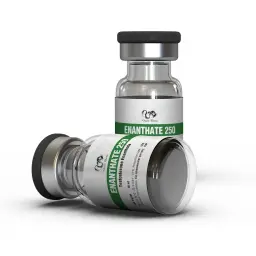
Product Class: Anabolic Androgenic Steroid (AAS)
Active Ingredient: Testosterone Enanthate
Concentration: 250 mg/ml
Price For: 10 ml vial
Brand: Dragon Pharma
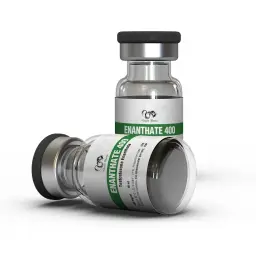
Product Class: Androgen / Anabolic Steroid (Testosterone Ester)
Active Ingredient: Testosterone Enanthate
Concentration: 400 mg/ml
Price For: 10 ml vial
Brand: Testosterone Enanthate
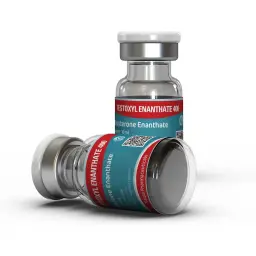
Androgen; Anabolic Steroid; Androgen Ester
Active Ingredient: Testosterone Enanthate
Concentration: 400 mg / mL
Price For: 10 mL Vial
Brand: Kalpa Pharmaceuticals