Product Overview
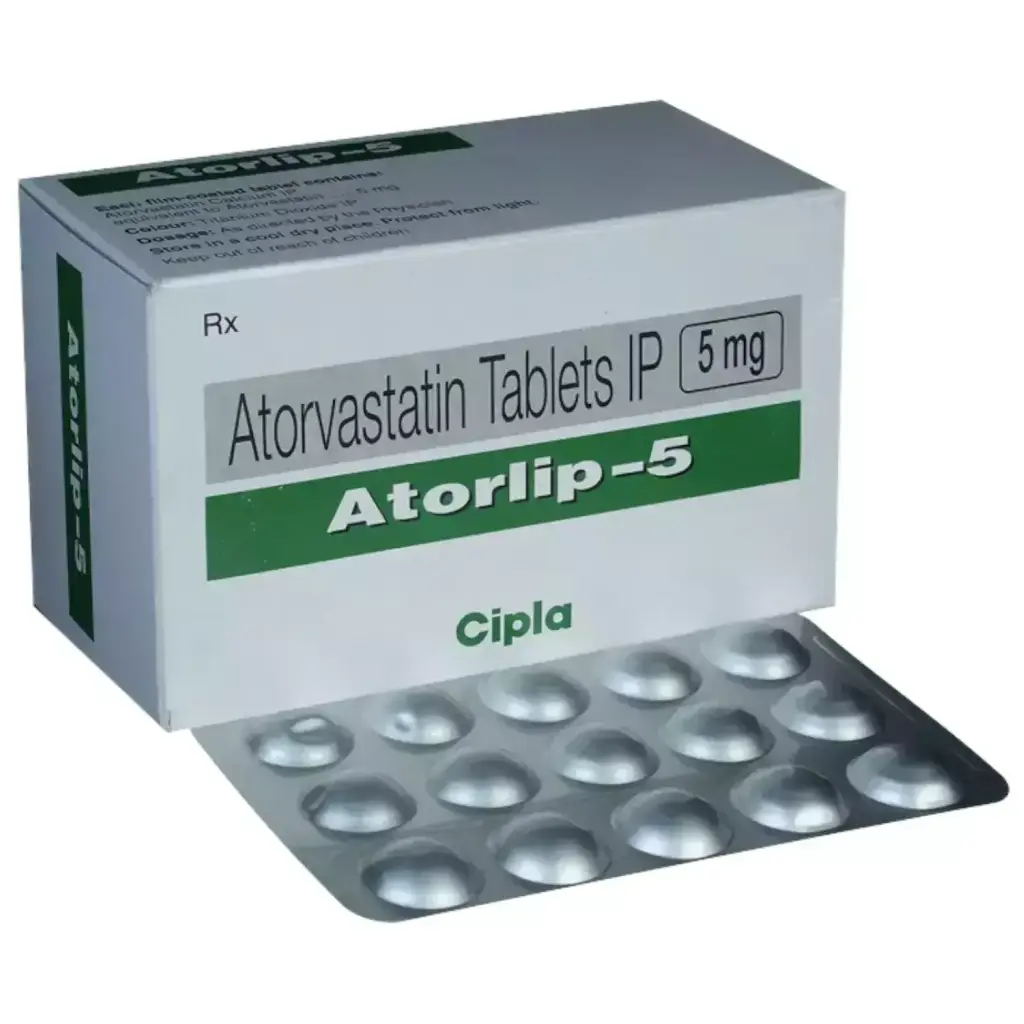
Atorlip contains atorvastatin calcium, a widely prescribed lipid-lowering medication belonging to the statin class. Manufactured by Cipla and associated with the brand Lipitor, it is available in strengths of 5 mg, 10 mg, and 20 mg per tablet, supplied in packs of 30 tablets.
Atorvastatin is used to reduce cholesterol levels and lower the risk of cardiovascular events such as heart attack and stroke.
Drug Class
Atorlip belongs to the statins (HMG-CoA reductase inhibitors), a class of drugs that reduce cholesterol synthesis in the liver.
Indications
Clinical Use
- Primary hypercholesterolemia
- Mixed dyslipidemia
- Prevention of cardiovascular disease
- Reduction of LDL cholesterol and triglycerides
Risk Reduction
Atorvastatin is also used to:
- Reduce risk of myocardial infarction (heart attack)
- Lower risk of stroke
- Slow progression of atherosclerosis
Mechanism of Action
Atorvastatin inhibits the enzyme HMG-CoA reductase, which plays a key role in cholesterol synthesis in the liver. This leads to:
- Decreased LDL cholesterol ("bad cholesterol")
- Modest increase in HDL cholesterol ("good cholesterol")
- Reduced triglyceride levels
The result is improved lipid profile and reduced cardiovascular risk.
Dosage & Administration
- Initial dose: 10–20 mg once daily
- Maintenance dose: 10–80 mg daily
Atorlip tablets can be taken at any time of the day, with or without food. Consistency in timing is recommended for optimal effect.
Use in Females
Atorvastatin is widely used in female patients for cholesterol management. Important considerations include:
- Contraindicated during pregnancy
- Avoid during breastfeeding
Pre-Treatment Assessment
Before initiating therapy:
- Lipid profile (LDL, HDL, triglycerides)
- Liver function tests (ALT, AST)
- Assessment of cardiovascular risk
Periodic monitoring is recommended during treatment.
Comparative Analysis
Atorvastatin vs Other Statins
- High potency in LDL reduction
- Long half-life allows flexible dosing
- Effective in both moderate and high-intensity therapy
Atorvastatin vs Non-Statin Agents
- Statins reduce cholesterol synthesis
- Other agents (e.g., ezetimibe) reduce absorption
- Combination therapy may be used for enhanced effect
Risk Management
Common Side Effects
- Muscle pain (myalgia)
- Gastrointestinal discomfort
- Headache
Serious Side Effects
- Myopathy or rhabdomyolysis (rare but serious)
- Elevated liver enzymes
Patients should report unexplained muscle pain or weakness promptly.
Mitigation Strategies
- Start with appropriate dose (e.g., 10 mg)
- Monitor liver function periodically
- Avoid interacting drugs that increase statin levels
Drug Interactions
- CYP3A4 inhibitors: increase atorvastatin levels
- Grapefruit juice: may increase exposure
- Other lipid-lowering drugs: increased risk of myopathy
Sourcing & Selection
When selecting atorvastatin products, consider:
- Reliable manufacturers such as Cipla
- Consistent dosage strengths
- Proper packaging and storage conditions
Conclusion
Atorlip (atorvastatin) is a cornerstone therapy in lipid management and cardiovascular risk reduction. Its proven efficacy, flexible dosing, and extensive clinical data make it one of the most widely used statins worldwide.
Atorlip 5 mg, 10 mg, 20 mg FAQ
What is the use of ATORlip tablet?
Atorlip is used to lower cholesterol levels and reduce the risk of cardiovascular diseases such as heart attack and stroke.
What are the side effects of ATORlip 20?
Common side effects include muscle pain, digestive issues, and headache. Rare but serious effects include muscle damage and liver enzyme elevation.
Is ATORlip 10 safe for long-term use?
Yes, atorvastatin is commonly used long-term for cholesterol management, provided patients are monitored regularly for safety.
Which tablet is best for high cholesterol?
The choice depends on individual risk factors. Statins like atorvastatin are often first-line therapy due to their proven efficacy.
Is atorvastatin and ATORlip the same thing?
Yes, ATORlip is a brand name for atorvastatin, which is the active ingredient responsible for its lipid-lowering effect.