Product Overview
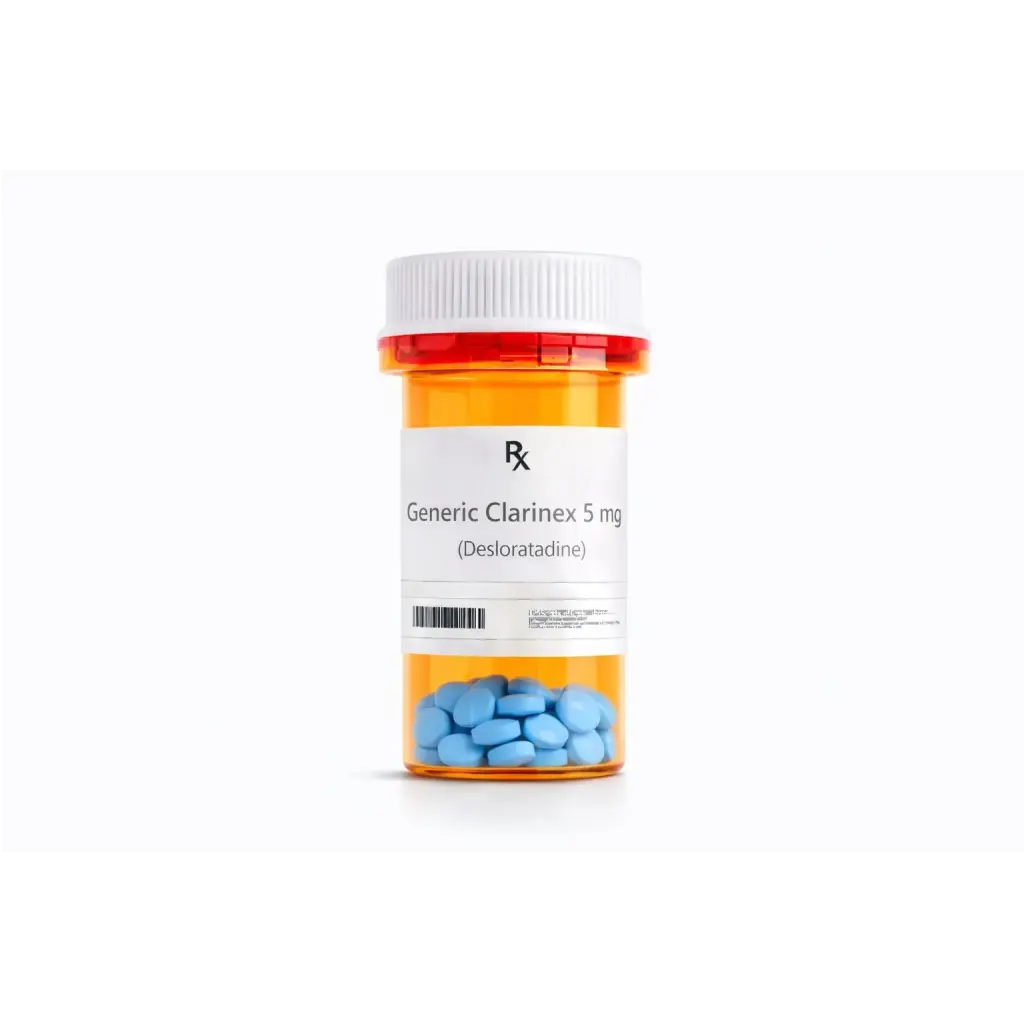
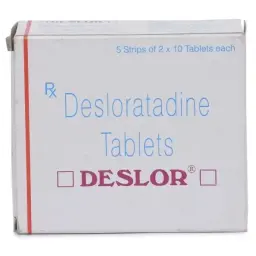
Clarinex contains desloratadine, a non-sedating antihistamine used to relieve allergy symptoms. It is available in a 5 mg tablet strength and supplied in packs of 90 tablets.
Desloratadine is a second-generation antihistamine known for its long-lasting effect and minimal drowsiness compared to older antihistamines.
Drug Class
Clarinex belongs to the second-generation antihistamines, specifically H1 receptor antagonists, which block the action of histamine in the body.
Indications
Primary Uses
- Allergic rhinitis (seasonal and perennial)
- Chronic idiopathic urticaria (hives)
Symptom Relief
- Sneezing
- Runny or blocked nose
- Itchy or watery eyes
- Skin itching and rash
Mechanism of Action
Desloratadine selectively blocks peripheral H1 histamine receptors, resulting in:
- Reduced allergic inflammation
- Decreased itching and swelling
- Relief from nasal and skin allergy symptoms
It does not significantly cross the blood-brain barrier, which minimizes sedation.
Dosage & Administration
- Typical dose: 5 mg once daily
Clarinex can be taken with or without food and should be taken at the same time each day for consistent symptom control.
Onset of Action
Desloratadine typically begins to work within 1 to 3 hours after administration. While not instantaneous, it provides sustained 24-hour relief.
Best Time to Take
Clarinex can be taken at any time of the day. Many patients prefer taking it in the morning to control daytime allergy symptoms, while others may take it in the evening based on personal routine.
Use in Females
Clarinex is safe for use in females for allergy management. It may be used during pregnancy or breastfeeding only if prescribed by a healthcare provider.
Pre-Treatment Assessment
- History of allergies or hypersensitivity
- Kidney and liver function assessment in certain cases
Comparative Analysis
Clarinex vs Claritin
- Clarinex (Desloratadine): Active metabolite of loratadine, longer-lasting and potentially more potent
- Claritin (Loratadine): Widely used, slightly shorter duration
Desloratadine vs First-Generation Antihistamines
- Less sedation
- Longer duration of action
- Better tolerability
Effectiveness
Clarinex is highly effective in reducing allergy symptoms and providing all-day relief with a single daily dose.
Risk Management
Common Side Effects
- Headache
- Dry mouth
- Fatigue (rare)
Serious Side Effects
- Allergic reactions (rare)
- Palpitations (very rare)
Mitigation Strategies
- Use recommended dose only
- Monitor for unusual symptoms
- Consult a doctor if side effects persist
Drug Interactions
- Generally low interaction potential
- Caution with other sedating medications
Sourcing & Selection
When selecting desloratadine products, consider:
- Reliable manufacturers
- Proper dosage and packaging
- Storage conditions
Conclusion
Clarinex (desloratadine) is a reliable, non-sedating antihistamine that provides long-lasting relief from allergy symptoms. Its once-daily dosing and favorable safety profile make it a preferred option for allergy management.
Clarinex 5 mg FAQ
Does desloratadine work immediately?
It starts working within 1–3 hours, but full symptom relief may take a little longer.
Which is better, Claritin or Clarinex?
Clarinex may offer slightly stronger and longer-lasting effects, but both are effective antihistamines.
How effective is Clarinex?
It is highly effective for controlling allergy symptoms with once-daily dosing.
What is the best time of day to take desloratadine?
It can be taken at any time of day, but consistency is key. Morning use is common for daytime symptom control.