Product Overview
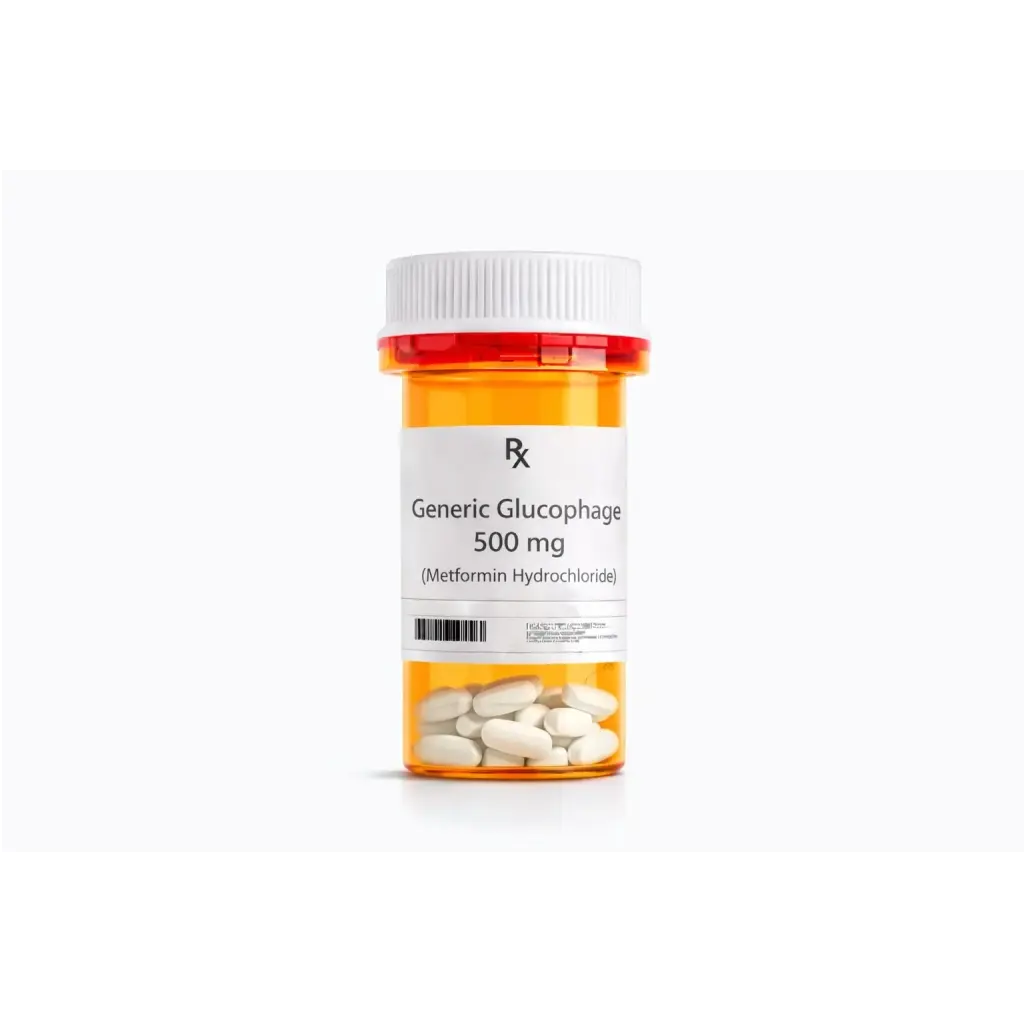
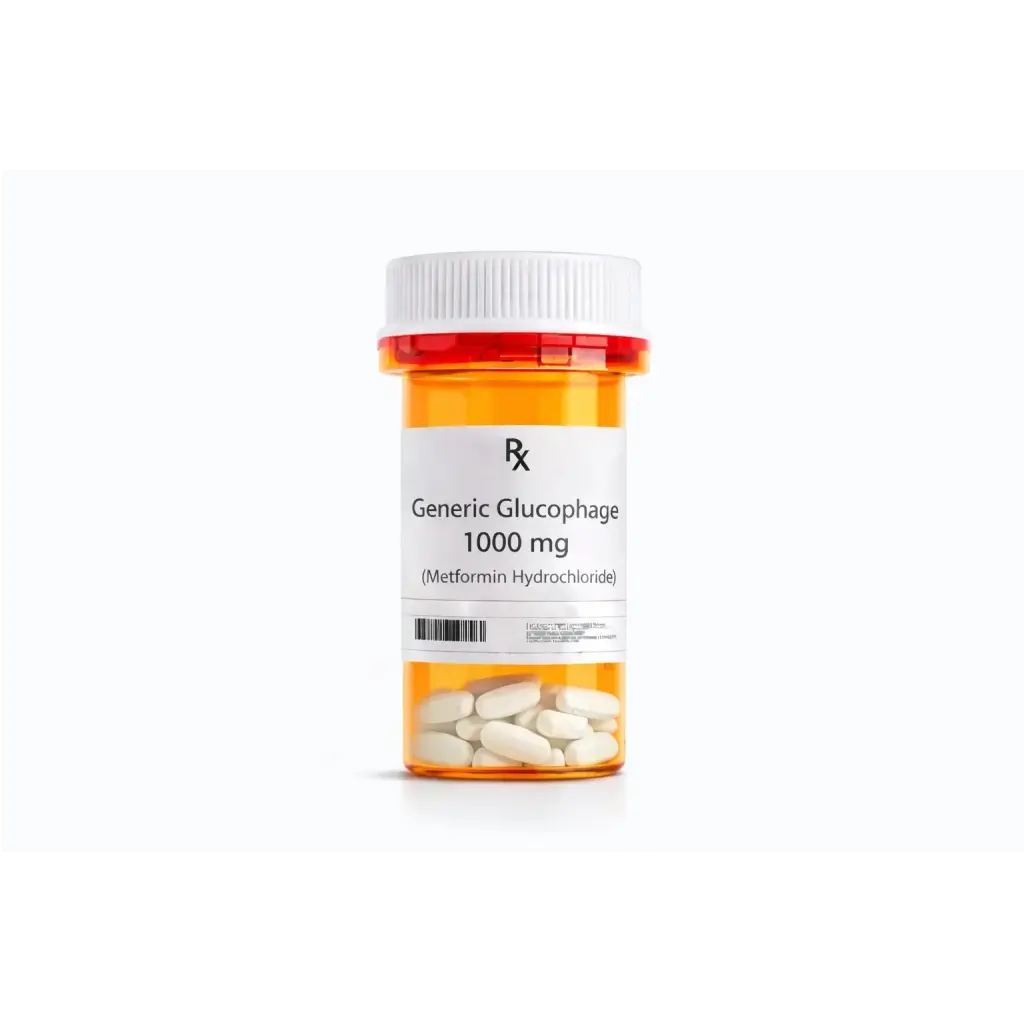
Glucophage contains metformin hydrochloride, a first-line oral medication used for managing type 2 diabetes mellitus. It is available in strengths of 500 mg and 1000 mg tablets and is widely prescribed due to its proven effectiveness and safety profile.
Metformin helps control blood sugar levels and is often the initial therapy recommended for patients with type 2 diabetes.
Drug Class
Glucophage belongs to the biguanide class of antidiabetic agents.
Indications
Primary Uses
- Type 2 diabetes mellitus
- Blood glucose control in insulin-resistant patients
Secondary Uses
- Polycystic ovary syndrome (PCOS)
- Weight management support in insulin resistance
Mechanism of Action
Metformin works by multiple mechanisms:
- Reducing hepatic glucose production (gluconeogenesis)
- Improving insulin sensitivity in peripheral tissues
- Decreasing intestinal glucose absorption
Unlike some other diabetes medications, it does not typically cause hypoglycemia when used alone.
Dosage & Administration
- Typical starting dose: 500 mg once or twice daily
- Maintenance dose: Adjusted based on blood glucose levels
It should be taken with meals to reduce gastrointestinal side effects.
Best Time to Take Glucophage
Glucophage is best taken with meals, usually:
- Morning and evening for divided doses
- With the largest meal if taken once daily
Is Glucophage the Same as Metformin?
Yes, Glucophage is a brand name for metformin. Both contain the same active ingredient and work in the same way.
Comparative Analysis
Glucophage vs Other Antidiabetics
- First-line therapy for type 2 diabetes
- Weight-neutral or modest weight loss effect
- Low risk of hypoglycemia
Glucophage vs Ozempic
- Glucophage (Metformin): Oral medication, improves insulin sensitivity
- Ozempic: Injectable GLP-1 receptor agonist, promotes weight loss and appetite control
Ozempic may offer greater weight loss, but metformin remains the standard initial treatment due to its affordability and long-term safety.
HRT/TRT Relevance
Metformin is sometimes used in patients undergoing hormone therapies, particularly where insulin resistance or metabolic syndrome is present.
Use in Females
Glucophage is widely used in females, particularly in managing PCOS, improving ovulation and metabolic health.
Pre-Treatment Assessment
- Kidney function tests (important before initiation)
- Blood glucose and HbA1c levels
- Liver function evaluation
Effectiveness
Glucophage effectively lowers blood glucose and HbA1c levels, improves insulin sensitivity, and reduces long-term complications of diabetes.
Risk Management
Common Side Effects
- Nausea
- Diarrhea
- Abdominal discomfort
Serious Side Effects
- Lactic acidosis (rare but serious)
- Vitamin B12 deficiency (long-term use)
Disadvantages of Glucophage
- Gastrointestinal side effects (especially at initiation)
- Not suitable for severe kidney impairment
- Requires regular monitoring
Mitigation Strategies
- Start with low dose and titrate gradually
- Take with food
- Monitor kidney function regularly
What to Avoid While Taking Glucophage
- Excessive alcohol consumption (increases lactic acidosis risk)
- Skipping meals (may affect glucose control)
- Dehydration
Drug Interactions
- Alcohol: Increased risk of lactic acidosis
- Contrast dyes: Temporary discontinuation may be required
- Other antidiabetics: May increase hypoglycemia risk when combined
Sourcing & Selection
When choosing Glucophage, consider:
- Correct dosage (500 mg or 1000 mg)
- Reliable manufacturer
- Immediate vs extended-release formulations
Conclusion
Glucophage (metformin) is a cornerstone therapy in type 2 diabetes management. With its strong safety profile, affordability, and effectiveness, it continues to be the preferred first-line medication worldwide.
Glucophage 500 mg, 1000 mg FAQ
Is Glucophage the same thing as metformin?
Yes, Glucophage is a brand name of metformin and contains the same active ingredient.
What are the disadvantages of glucophages?
Common disadvantages include gastrointestinal side effects and the need for kidney monitoring.
When is the best time to take Glucophage?
It is best taken with meals to improve tolerability and effectiveness.
Is Ozempic better than Glucophage?
Ozempic may provide additional weight loss benefits, but Glucophage remains the first-line treatment for type 2 diabetes.