Product Overview
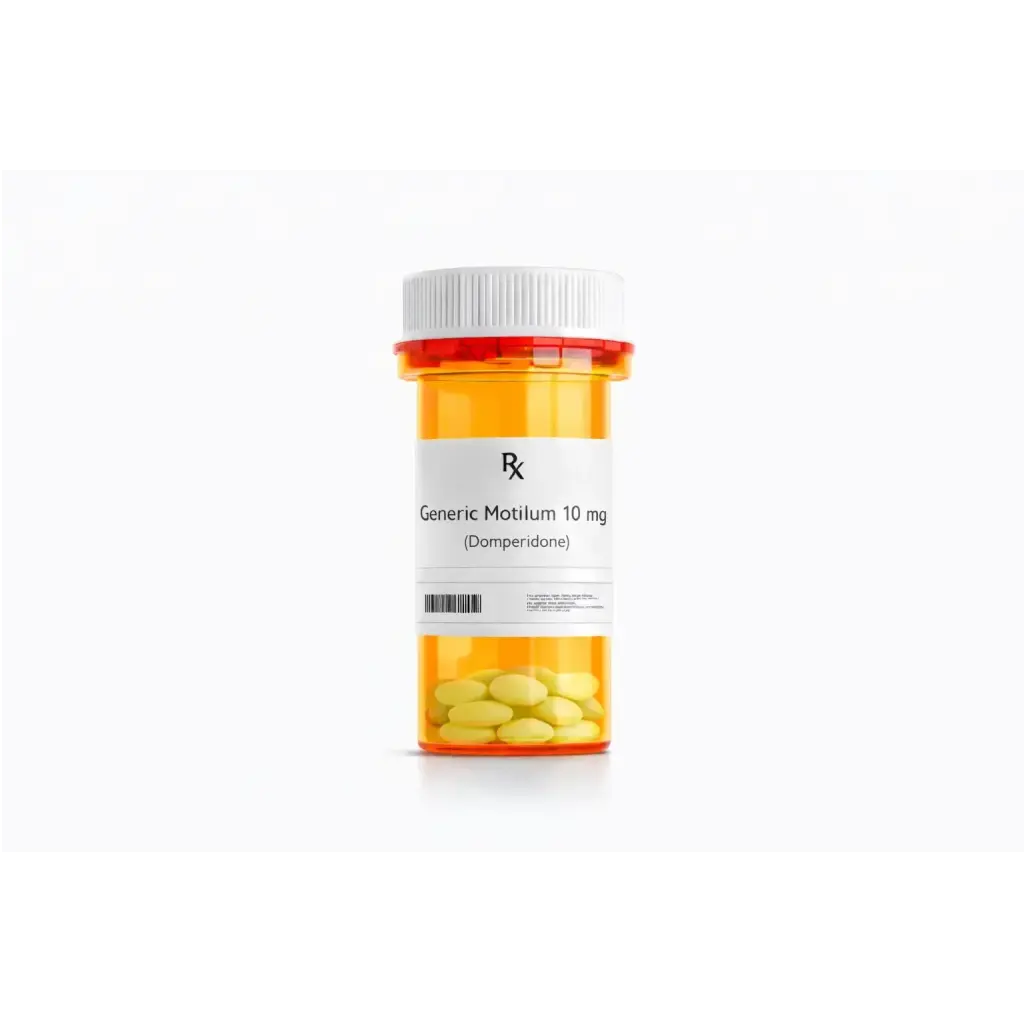
Motilium 10 mg contains domperidone, a medication classified as a dopamine receptor antagonist with strong antiemetic and prokinetic properties. It is widely used to relieve nausea, vomiting, and symptoms associated with delayed gastric emptying.
Motilium improves digestive comfort by enhancing stomach motility and accelerating the passage of food through the gastrointestinal tract.
Drug Class
Motilium belongs to the dopamine D2 receptor antagonists, specifically used as prokinetic and antiemetic agents.
Indications
Primary Uses
- Nausea and vomiting of various causes
- Delayed gastric emptying (gastroparesis)
- Bloating and upper abdominal discomfort
Secondary Uses
- Relief of reflux-related symptoms
- Support in functional dyspepsia
Mechanism of Action
Domperidone works by blocking dopamine D2 receptors in the gut and brain:
- Enhances gastric motility and emptying
- Reduces nausea signals in the brain
- Improves coordination of digestive tract movement
Unlike some alternatives, it has minimal penetration into the central nervous system, reducing certain side effects.
Dosage & Administration
- Typical dose: 10 mg up to 3 times daily
It is best taken 15–30 minutes before meals for optimal effect.
HRT/TRT Relevance
Motilium is sometimes used to manage nausea associated with certain therapies. It does not directly interact with hormone replacement therapies but may improve gastrointestinal tolerance.
Use in Females
Motilium may be used in females for digestive issues. It has also been used off-label to support lactation, though this should only be done under strict medical supervision.
Pre-Treatment Assessment
- Review of cardiac history (QT prolongation risk)
- Assessment of liver function
- Evaluation of concurrent medications
Effectiveness
Motilium is effective in relieving nausea and improving digestion, especially in conditions involving slow gastric emptying.
Risk Management
Common Side Effects
- Dry mouth
- Abdominal cramps
- Headache
Less Common Effects
- Dizziness
- Breast tenderness (due to prolactin increase)
Serious Side Effects
- Cardiac rhythm disturbances (rare but important)
- Allergic reactions
Mitigation Strategies
- Use lowest effective dose
- Avoid high-risk drug combinations
- Monitor for cardiac symptoms in at-risk patients
What to Avoid While Taking Motilium
- Alcohol (may worsen side effects)
- Taking after meals (reduces effectiveness)
- Exceeding recommended dose
Drug Interactions
- Macrolide antibiotics (e.g., erythromycin)
- Azole antifungals
- Certain antidepressants
Sourcing & Selection
When choosing Motilium, ensure:
- Correct dosage (10 mg)
- Reliable manufacturer
- Proper storage and packaging
Conclusion
Motilium 10 mg is a reliable and effective treatment for nausea, vomiting, and digestive discomfort. Its prokinetic action helps restore normal stomach function, making it a valuable option for gastrointestinal relief when used appropriately.
Motilium 10 mg FAQ
Is Motilium good for the stomach?
Yes, it improves stomach motility and relieves nausea, bloating, and discomfort.
When is the best time to take Motilium 10mg?
It should be taken 15–30 minutes before meals for best results.
What should not be taken with Motilium?
Avoid medications that affect heart rhythm or strong enzyme inhibitors without medical advice.
How many Motilium can I take in one day?
The typical maximum is 30 mg per day (3 tablets).