



Product Class: Steroidal Aromatase Inhibitor (AI)
Active Ingredient: Exemestane
Concentration: 20 mg per tablet
Price For: 100 tablets
Brand: Aromasin
Aromasin by Zyvex Pharmaceuticals contains Exemestane 20 mg per tablet in a pack of 100 tablets. Exemestane is an orally active steroidal aromatase inhibitor (AI) that reduces estrogen synthesis by irreversibly inactivating the aromatase enzyme. Aromatase normally converts androgen precursors into estrogens, making inhibition of this enzyme an established endocrine strategy in selected estrogen-dependent conditions.
Exemestane is best known medically for the endocrine treatment of hormone receptor-positive breast cancer in postmenopausal women. It differs pharmacologically from non-steroidal aromatase inhibitors such as Anastrozole and Letrozole because it acts as a steroidal, irreversible aromatase inactivator.
Aromasin is also encountered in male endocrine and performance-enhancement discussions when excessive conversion of testosterone to estradiol is a concern. These applications should be clearly distinguished from established oncology indications. Exemestane is not an anabolic steroid used for muscle development, despite its steroidal chemical structure, and it is not a replacement for testosterone.
Exemestane has an established role in the endocrine management of selected estrogen receptor-positive breast cancers in postmenopausal women. Lowering systemic estrogen reduces hormonal stimulation of estrogen-dependent malignant cells.
Depending on the patient's cancer characteristics and treatment history, Exemestane may be incorporated into adjuvant endocrine therapy or treatment of advanced hormone-sensitive disease. Selection and duration of therapy require specialist oncology assessment.
Outside oncology, Exemestane is sometimes discussed when men have clinically significant elevations in estradiol resulting from increased aromatization of testosterone.
In bodybuilding and anabolic-steroid communities, Aromasin is commonly associated with:
These uses are not a reason to suppress estrogen routinely. Estradiol has important physiological functions in men, including effects on bone mineralization, libido, sexual function, and metabolic health.
Exemestane is structurally related to the natural aromatase substrate androstenedione. It interacts with aromatase and produces irreversible enzyme inactivation, which is why Exemestane is sometimes described as a steroidal or "suicidal" aromatase inhibitor.
Blocking aromatase reduces conversion of:
In postmenopausal women, peripheral aromatization represents a major source of estrogen, making this pathway an important therapeutic target in hormone-sensitive breast cancer.
Exemestane differs from selective estrogen receptor modulators such as Tamoxifen. Tamoxifen primarily modifies estrogen-receptor signaling in specific tissues, whereas Exemestane decreases the synthesis of estrogen itself.
Benefits depend on the indication and clinical context. Potential therapeutic effects include:
The objective of treatment is not to eliminate estrogen indiscriminately. Excessively low estradiol can adversely affect skeletal health, sexual function, lipid metabolism, and general well-being.
Exemestane is sometimes used alongside therapies that alter sex-hormone production or estrogen signaling. The rationale differs substantially between legitimate endocrine treatment and non-medical performance use.
Within anabolic-steroid settings, Aromasin is often described as an accessory medication for aromatizing compounds. However, there is no universal AI requirement for every anabolic regimen. Combining endocrine-active drugs without clinical and laboratory assessment can result in unnecessary or excessive estrogen suppression.
Aromasin is not Testosterone Replacement Therapy (TRT) and does not replace testosterone. Exemestane may occasionally be considered in male endocrine practice when testosterone treatment is associated with clinically significant estrogen excess.
Testosterone administered during TRT can undergo aromatization to estradiol. The degree of conversion varies according to testosterone exposure, adipose tissue, age, individual aromatase activity, injection schedule, and other factors.
Importantly, an aromatase inhibitor should not automatically accompany TRT. Estradiol performs important functions in men, and laboratory values should be interpreted alongside symptoms rather than treated solely to achieve the lowest possible number.
When excessive estradiol is suspected during TRT, clinicians may review testosterone dosage, administration frequency, body composition, medications, symptoms, and laboratory results before considering pharmacological aromatase inhibition.
Exemestane dosing is indication-specific and should follow applicable prescribing information and specialist guidance. Established oncology regimens should not be extrapolated to male hormone therapy, bodybuilding, or performance-enhancement use.
This Zyvex Pharmaceuticals formulation contains 20 mg per tablet. The amount contained in one tablet describes product strength and should not be interpreted as an appropriate dose for every patient or purpose.
For off-label endocrine situations, particularly during TRT, no single Exemestane schedule is appropriate for all men. Estradiol response can differ substantially between individuals, making clinician-directed laboratory monitoring important when aromatase inhibition is medically justified.
Unsupervised escalation can produce excessive estrogen suppression. Because Exemestane irreversibly inactivates aromatase molecules, its pharmacological effects should not be treated as interchangeable with simply skipping a dose of a reversible inhibitor.
When legitimately prescribed, Exemestane should be taken according to the treatment plan established by the healthcare professional. Patients should not independently increase the amount or compensate for missed doses by doubling subsequent doses.
Exemestane has an established medical role primarily in postmenopausal women with selected hormone receptor-positive breast cancers. This population differs fundamentally from healthy women considering an aromatase inhibitor for physique or performance purposes.
Premenopausal ovarian function can substantially alter endocrine responses to aromatase inhibition. When Exemestane is required in a premenopausal oncology setting, specialist-directed ovarian suppression and endocrine management may be necessary.
Exemestane should not be used during pregnancy. Estrogen synthesis is important for normal reproductive and fetal physiology, and interference with this pathway may cause fetal harm. Appropriate medical advice is also required for breastfeeding and fertility planning.
Aromasin by Zyvex Pharmaceuticals contains Exemestane 20 mg per tablet in a 100-tablet pack. Exemestane is a steroidal, irreversible aromatase inhibitor that reduces estrogen synthesis and has an established therapeutic role in selected hormone receptor-positive breast cancers.
Although Aromasin is also encountered in TRT and anabolic-steroid discussions, aromatase inhibition should not be regarded as a routine requirement whenever testosterone is used. Appropriate treatment depends on the clinical indication, symptoms, hormone measurements, concurrent therapy, and individual response. The therapeutic objective is controlled estrogen management when medically justified rather than indiscriminate estrogen elimination.
Aromasin contains Exemestane, an aromatase inhibitor principally used as endocrine therapy for selected hormone receptor-positive breast cancers in postmenopausal women.
Yes. Exemestane irreversibly inactivates aromatase, reducing the conversion of androgen precursors into estrogens and consequently lowering estrogen concentrations.
Yes. Aromasin is a widely recognized brand name for the active pharmaceutical ingredient Exemestane.
Aromasin contains Exemestane and acts as a steroidal irreversible aromatase inhibitor. Arimidex contains Anastrozole and acts as a non-steroidal reversible aromatase inhibitor. Both reduce estrogen production but do so through different pharmacological interactions with aromatase.
Not routinely. Many men receiving appropriately managed testosterone therapy do not require an aromatase inhibitor. Treatment should be considered only when clinical findings and appropriately interpreted laboratory results justify intervention.
Yes. Excessive aromatase inhibition can result in abnormally low estradiol. Because estrogen contributes to skeletal, sexual, cardiovascular, and metabolic physiology, greater estrogen suppression is not necessarily better.
Please log in to write Aromasin 20 mg review.
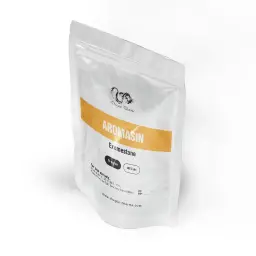
Product Class: Aromatase Inhibitor (Steroidal AI)
Active Substance: Exemestane
Concentration: 25 mg per tablet
Price For: 100 tablets
Brand: Aromasin
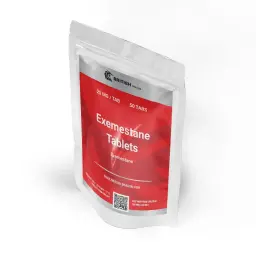
Aromatase Inhibitor; Antiestrogen
Active Ingredient: Exemestane
Concentration: 25 mg / pill
Price For: 50 pills
Brand: British Dragon Pharmaceuticals
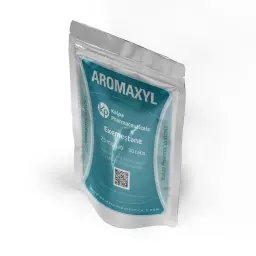
Aromatase Inhibitor; Antiestrogen
Active Ingredient: Exemestane
Concentration: 25 mg / pill
Price For: 30 pills
Brand: Kalpa Pharmaceuticals
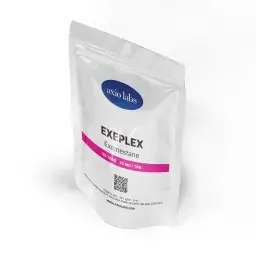
Aromatase Inhibitor; Antiestrogen
Active Ingredient: Exemestane
Concentration: 25 mg / pill
Price For: 50 pills
Brand: Axiolabs