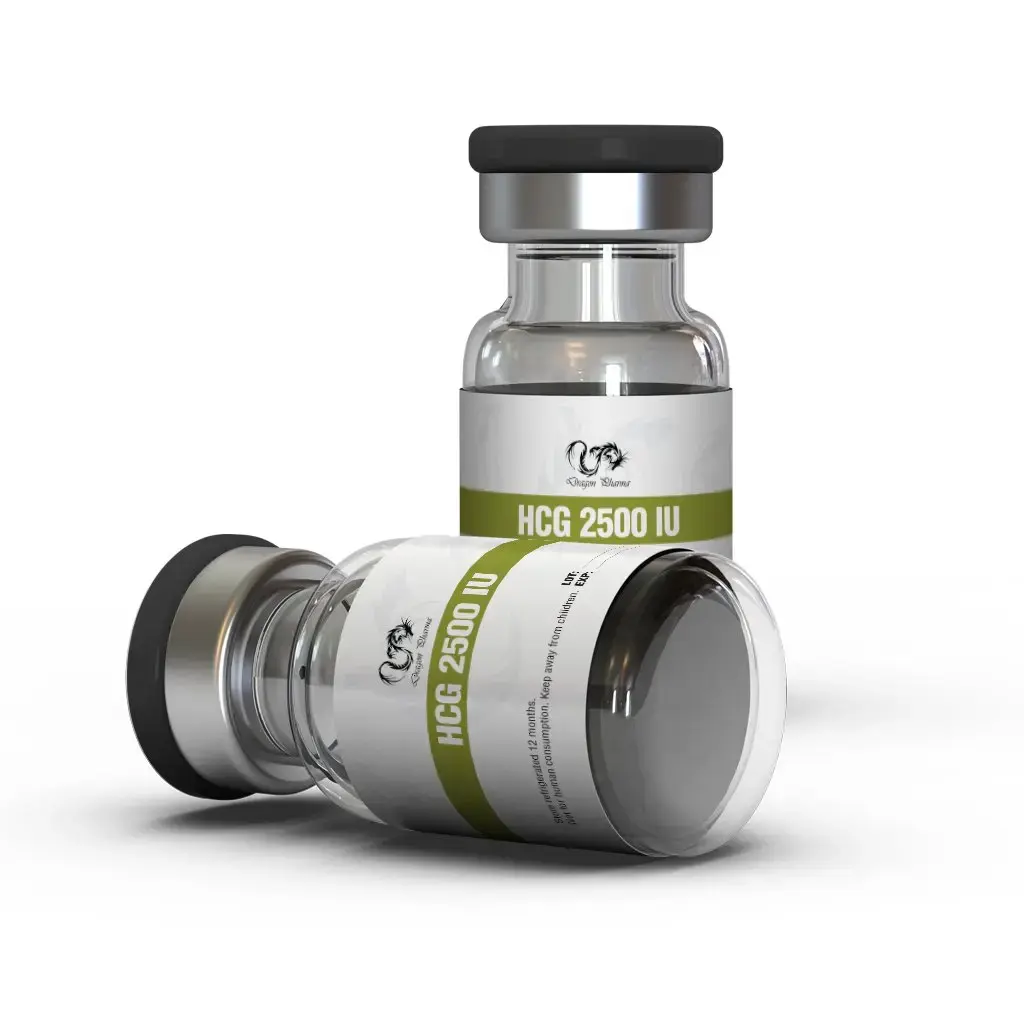
Original HCG 2500 IU by Dragon Pharma
Product Overview
HCG 2500 IU contains Human Chorionic Gonadotropin (HCG), a peptide hormone that mimics luteinizing hormone (LH) in the body. It is widely used in fertility treatment, hormone therapy, and post-cycle therapy (PCT) to stimulate endogenous testosterone production.
Manufactured by Dragon Pharma, HCG is a key compound for maintaining and restoring testicular function.
Drug Class
HCG belongs to the class of gonadotropins, specifically peptide hormones that stimulate the gonads.
Indications
Clinical Uses
- Male hypogonadism
- Infertility treatment
- Induction of ovulation in females
Performance Uses
- Post-cycle therapy (PCT)
- Prevention of testicular atrophy during anabolic cycles
- Support during TRT
Mechanism of Action
HCG works by:
- Mimicking luteinizing hormone (LH)
- Stimulating Leydig cells in the testes
- Promoting natural testosterone production
This helps restore hormonal balance and fertility potential.
Hypertrophy Protocols
- On-cycle support: 250–500 IU 2–3 times weekly
- PCT use: 500–1000 IU every other day
- Duration: 2–4 weeks depending on protocol
Dosing varies based on application (maintenance vs recovery).
Pharmacokinetics
- Half-life: ~24–36 hours
- Requires frequent dosing
- Administered via subcutaneous or intramuscular injection
Effects & Benefits
- Restores endogenous testosterone production
- Prevents testicular atrophy
- Supports fertility
- Improves hormonal recovery
Synergy & Stacking
HCG is commonly used alongside:
- Testosterone cycles: Maintains testicular function
- Clomid (Clomiphene): PCT recovery
- Nolvadex (Tamoxifen): Estrogen receptor modulation
It is a foundational component in hormone recovery protocols.
HRT/TRT Application
HCG is often used in TRT protocols to:
- Maintain fertility
- Prevent testicular shrinkage
- Support endogenous hormone production
Typical TRT dosing ranges from 250–500 IU multiple times weekly.
Use in Females
Clinically used in women for ovulation induction, but dosing differs significantly from male use.
Pre-Cycle Requirements
- Hormonal panel (LH, FSH, testosterone)
- Fertility assessment (if applicable)
- Baseline estrogen levels
Comparative Analysis
Compared to other hormonal agents:
- HCG: Direct stimulation of testes
- Clomid: Stimulates pituitary LH release
- Nolvadex: Blocks estrogen receptors
HCG acts peripherally, while SERMs act centrally.
Effectiveness
Highly effective in restoring testosterone production and maintaining testicular function when used appropriately.
Risk Management
Estrogenic Side Effects
- Increased estrogen levels
- Gynecomastia
Other Side Effects
- Water retention
- Mood swings
Hormonal Risks
- Desensitization with excessive dosing
Mitigation Strategies
- Use moderate dosing protocols
- Arimidex: Estrogen control if needed
- Regular hormone monitoring
Post Cycle Therapy (PCT)
- Often used before SERMs in PCT protocols
- Followed by Clomid/Nolvadex for full recovery
What to Avoid While Using HCG
- Excessive dosing
- Skipping estrogen management
- Improper storage after reconstitution
Drug Interactions
- Hormonal therapies
- Estrogen-modulating drugs
Conclusion
HCG 2500 IU is an essential hormone therapy agent used for testosterone recovery, fertility support, and maintenance during anabolic cycles. Its role in PCT and TRT protocols makes it a critical component of hormonal health management.
HCG 2500 IU FAQ
What Is HCG 2500 IU Used For?
It is used to restore natural testosterone production, support fertility, and prevent testicular atrophy.
How Often Should You Inject HCG?
Typically 2–3 times weekly depending on the protocol.
How Long Does It Take to Work?
Effects on testosterone production can begin within days.
Can HCG Increase Estrogen?
Yes, increased testosterone production may lead to higher estrogen levels.