



Product Class: PPARδ Agonist / Investigational Metabolic Modulator
Active Ingredient: Cardarine (GW-501516)
Concentration: 20 mg per tablet
Price For: 100 tablets
Brand: Cardarine
Cardarine (GW-501516) 20 mg by Zyvex Pharmaceuticals contains Cardarine at a concentration of 20 mg per tablet in a pack of 100 tablets. GW-501516 is an investigational, orally active agonist of peroxisome proliferator-activated receptor delta (PPARδ), a nuclear receptor involved in lipid utilization, energy metabolism, and metabolic gene regulation.
Cardarine is frequently grouped with selective androgen receptor modulators (SARMs) by online retailers and bodybuilding communities, but this classification is pharmacologically incorrect. GW-501516 does not primarily activate androgen receptors and is therefore not a SARM and not an anabolic steroid.
GW-501516 was investigated during pharmaceutical development for metabolic and cardiovascular applications, including effects on lipid profiles. Its clinical development did not result in an approved medicine. Particularly important is the carcinogenicity signal reported in long-term animal toxicology studies. Consequently, Cardarine should be characterized as an unapproved investigational compound rather than a clinically established fat-loss or endurance medication.
GW-501516 was investigated experimentally because PPARδ signaling influences fatty-acid oxidation, lipoprotein metabolism, glucose utilization, and skeletal-muscle energy pathways. Research interests included:
Early human research produced interest in potentially favorable changes in selected lipid parameters. However, GW-501516 did not progress to an approved therapeutic product, and there is no recognized clinical indication for routine Cardarine treatment.
Within bodybuilding and endurance communities, Cardarine is commonly discussed in relation to:
These uses are not approved medical indications. Claims that Cardarine is a clinically proven fat burner or safe endurance enhancer go beyond the available human evidence.
Cardarine binds to and activates PPARδ. PPAR receptors function as transcription factors that regulate genes involved in cellular metabolism. Following receptor activation, PPARδ interacts with nuclear signaling machinery and modifies expression of metabolic genes.
Experimental research has associated PPARδ activation with changes involving:
This mechanism is fundamentally different from that of anabolic steroids and SARMs. Cardarine does not produce its primary effects through androgen-receptor activation and should not be described as a testosterone-like anabolic agent.
Experimental and early clinical research generated interest in several potential metabolic effects of GW-501516, including:
These findings do not establish Cardarine as a safe or effective treatment for obesity, dyslipidemia, athletic endurance, or body recomposition. Human evidence remains limited, and development concerns prevent the compound from being treated like an established metabolic medication.
Within performance-enhancement communities, Cardarine is frequently discussed alongside anabolic steroids, SARMs, and other investigational compounds because its PPARδ mechanism differs from androgen-receptor signaling. These combinations are not clinically validated treatment protocols.
Combining investigational substances does not establish synergy in humans and can make adverse-effect attribution significantly more difficult. Cardarine's lack of androgenic activity should not be interpreted as evidence that combinations containing it are safe.
Cardarine has no established role in Testosterone Replacement Therapy (TRT) or Hormone Replacement Therapy (HRT). It does not provide testosterone, stimulate luteinizing hormone, restore spermatogenesis, inhibit aromatase, or directly correct hypogonadism.
Unlike anabolic steroids and SARMs, GW-501516 does not primarily act through the androgen receptor. Consequently, it should not be regarded as a testosterone substitute or as an established method for preventing endocrine suppression from anabolic drugs.
Cardarine is sometimes discussed by individuals receiving TRT because of claims involving lipids, endurance, or body composition. These discussions do not establish a medical indication, and management of unfavorable lipids during TRT should focus on clinical evaluation and evidence-based cardiovascular interventions.
There is no regulator-approved Cardarine dosing regimen for fat loss, bodybuilding, endurance enhancement, or general wellness. GW-501516 remains an investigational compound rather than an approved prescription medicine.
This Zyvex Pharmaceuticals product is labeled as containing 20 mg per tablet. The tablet concentration describes product strength and should not be interpreted as an approved daily or performance dose.
Early human research evaluated GW-501516 under controlled experimental conditions with predefined eligibility criteria, specific study doses, laboratory monitoring, and limited treatment durations. Such research protocols should not be converted directly into self-directed bodybuilding regimens.
Doses circulated through bodybuilding forums and performance-enhancement websites have not been established as safe long-term human exposure. Increasing exposure is particularly difficult to justify given the unresolved toxicological concerns surrounding the compound.
Because GW-501516 lacks an approved therapeutic indication, there is also no medically established "cycle length," loading strategy, maintenance protocol, or post-cycle treatment regimen for Cardarine.
Cardarine is not an androgen and therefore is not expected to produce the classic androgen-mediated virilization associated with anabolic steroids, such as voice deepening or increased facial hair through direct androgen-receptor stimulation.
However, absence of virilization does not establish safety in women. Human reproductive and long-term safety data are inadequate, and Cardarine is not an approved weight-loss or performance medication for women.
Women who are pregnant, breastfeeding, attempting conception, or undergoing fertility treatment should avoid investigational compounds lacking established reproductive safety.
Cardarine (GW-501516) 20 mg by Zyvex Pharmaceuticals is presented as an oral PPARδ agonist containing 20 mg per tablet in a 100-tablet pack. Pharmacologically, Cardarine is an investigational metabolic modulator rather than a SARM or anabolic steroid.
Its effects on PPARδ signaling generated research interest in lipid metabolism, fatty-acid utilization, and endurance-related pathways. However, GW-501516 never became an approved therapeutic medicine, and long-term animal toxicology produced a significant carcinogenicity concern. Consequently, its popularity in cutting and endurance communities should not be confused with demonstrated clinical safety. Cardarine is most accurately characterized as an unapproved investigational PPARδ agonist with unresolved long-term safety concerns.
GW-501516 is an investigational PPARδ agonist originally researched for potential metabolic and cardiovascular applications. It is commonly called Cardarine.
No. Cardarine is frequently marketed alongside SARMs, but it does not belong to that pharmacological class. It activates PPARδ rather than selectively activating androgen receptors.
Experimental studies indicate that PPARδ activation can alter fatty-acid utilization and energy metabolism. This does not establish Cardarine as an approved or clinically proven fat-loss medication in humans.
Preclinical research has generated considerable interest in PPARδ signaling and endurance-related metabolism. However, performance claims in healthy athletes exceed the quality and extent of available controlled human evidence.
Yes. GW-501516 is prohibited in drug-tested competitive sport. Athletes subject to anti-doping regulations should not use Cardarine.
Please log in to write Cardarine GW-501516 review.
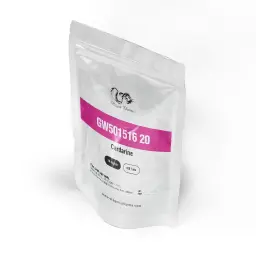
Product Class: PPARδ Receptor Agonist / Research Compound
Active Ingredient: Cardarine (GW 501516)
Concentration: 20 mg per tablet
Price For: 100 tablets
Brand: Cardarine
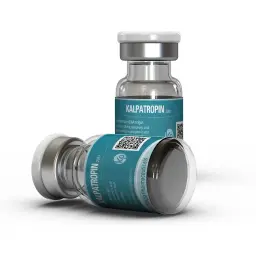
Growth Hormone Analog
Active Ingredient: Somatropin (r-hGH)
Concentration: 20 IU / vial
Price For: 1 kit [10 x Vials]
Brand: Kalpa Pharmaceuticals
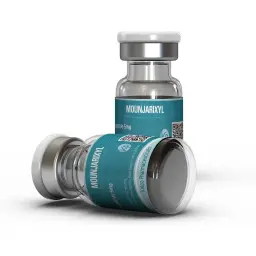
Human Peptide Hormone
Active Ingredient: Tirzepatide
Concentration: 5 mg / vial
Price For: 2 mL Vial
Brand: Kalpa Pharmaceuticals
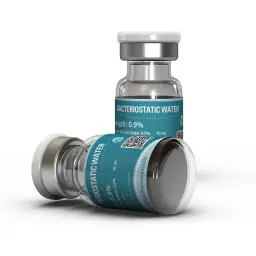
Water for Injection
Active Ingredient: Sterile Water
Concentration: 0.9% / vial
Price For: 2 mL Vial
Brand: Kalpa Pharmaceuticals