Product Overview
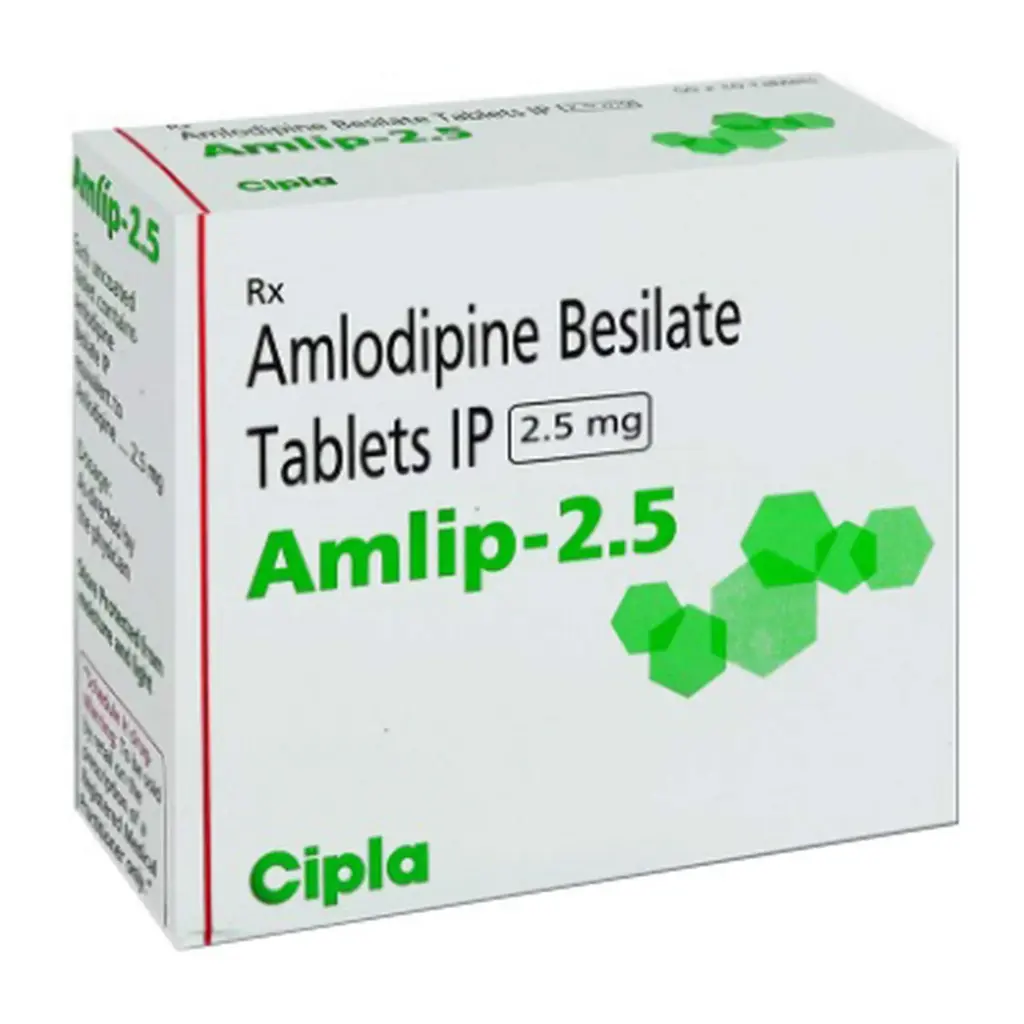
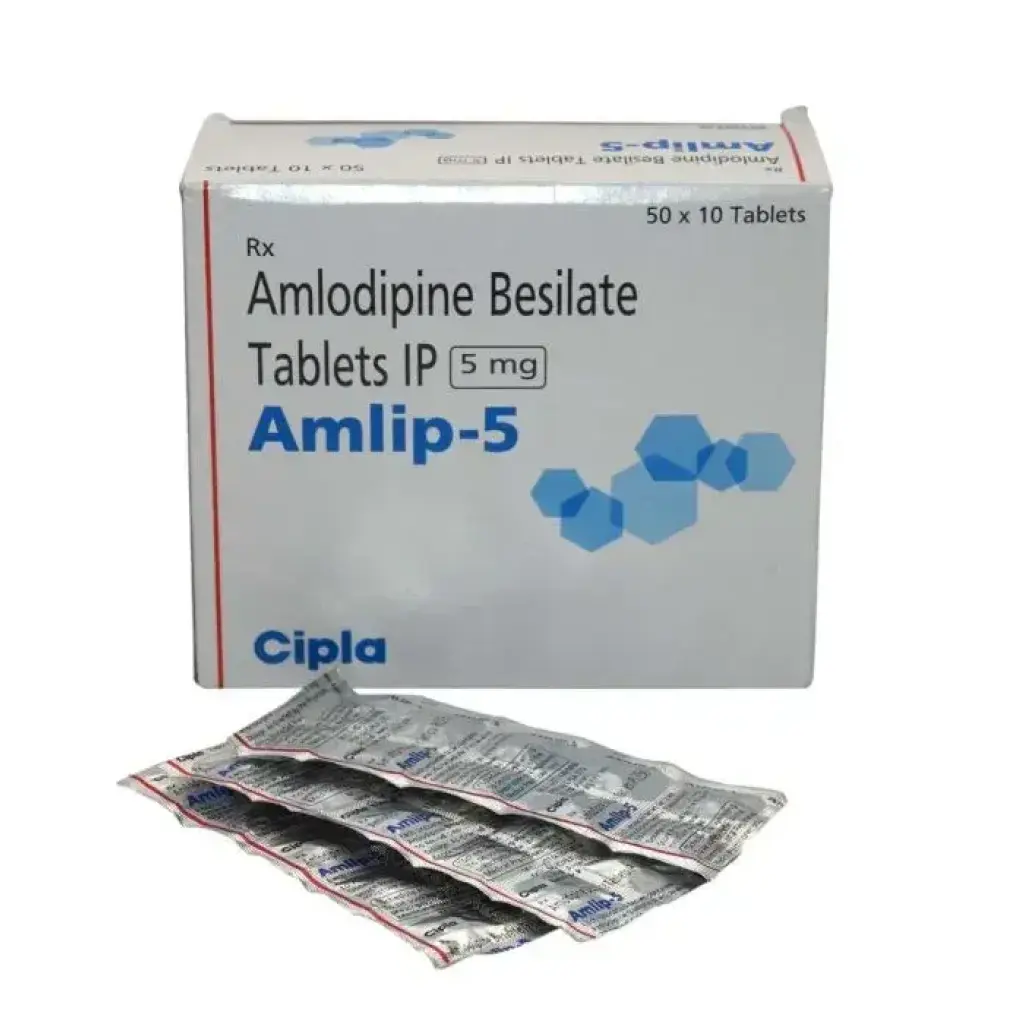
Amlip 2.5 mg/5 mg contains amlodipine besylate, a long-acting calcium channel blocker (CCB) used for the management of hypertension and angina. Manufactured by Cipla under the brand association with Norvasc.
Amlodipine is widely prescribed due to its once-daily dosing, sustained blood pressure control, and favorable tolerability profile.
Drug Class
Amlip belongs to the dihydropyridine calcium channel blocker class. These agents act primarily on vascular smooth muscle to induce vasodilation and reduce systemic vascular resistance.
Indications
Clinical Use
- Hypertension (high blood pressure)
- Chronic stable angina
- Vasospastic (Prinzmetal's) angina
Therapeutic Role
Amlodipine is often used as:
- First-line therapy for hypertension
- Combination therapy with ACE inhibitors, ARBs, or diuretics
Mechanism of Action
Amlodipine inhibits L-type calcium channels in vascular smooth muscle, leading to:
- Peripheral arterial vasodilation
- Reduced blood pressure
- Decreased myocardial oxygen demand
Its long half-life (~30–50 hours) ensures stable plasma concentrations and sustained antihypertensive effect.
Dosage & Administration
- Initial dose: 2.5–5 mg once daily
- Maintenance dose: 5–10 mg daily
- Maximum dose: 10 mg/day
Amlip 2.5 mg is typically used as a starting dose, especially in elderly patients or those sensitive to antihypertensive therapy.
It can be taken at any time of day, but consistency in timing is recommended.
Use in Females
Amlodipine is commonly prescribed in female patients and is generally well tolerated. Considerations include:
- Safe in most adult women
- Caution during pregnancy (consult healthcare provider)
Pre-Treatment Assessment
Before initiating therapy:
- Measure baseline blood pressure
- Assess cardiovascular risk factors
- Evaluate liver function in patients with hepatic impairment
Ongoing monitoring of blood pressure and clinical response is essential.
Comparative Analysis
Amlodipine vs Other CCBs
- Longer half-life than nifedipine
- Less reflex tachycardia
- Once-daily dosing improves adherence
Amlodipine vs ACE Inhibitors
- CCBs cause vasodilation without affecting the renin-angiotensin system
- ACE inhibitors provide renal protective effects
- Combination therapy is common for optimal blood pressure control
Risk Management
Common Side Effects
- Peripheral edema (ankle swelling)
- Flushing
- Headache
Serious Side Effects
- Severe hypotension
- Worsening angina (rare, usually at initiation)
- Hypersensitivity reactions
Peripheral edema is the most frequently reported dose-dependent adverse effect.
Mitigation Strategies
- Start with low doses (e.g., 2.5 mg)
- Combine with ACE inhibitors or ARBs to reduce edema
- Monitor blood pressure regularly
Drug Interactions
- CYP3A4 inhibitors: may increase amlodipine levels
- Other antihypertensives: additive blood pressure lowering
- Grapefruit juice: may alter drug metabolism
Sourcing & Selection
When selecting amlodipine products, consider:
- Trusted manufacturers such as Cipla
- Consistent tablet quality and dosing accuracy
- Regulatory approval and packaging integrity
Conclusion
Amlip (amlodipine) is a widely used calcium channel blocker for hypertension and angina management. Its long duration of action, convenient dosing, and tolerability make it a cornerstone therapy in cardiovascular care.
Amlip 2.5 mg, 5 mg FAQ
What is the use of Amlip 2.5 mg Tablet?
Amlip 2.5 mg is used to treat high blood pressure and certain types of angina by relaxing blood vessels and improving blood flow.
What are the worst side effects of amlodipine 2.5 mg?
The most notable adverse effects include significant swelling (edema), low blood pressure, and rarely worsening chest pain when starting treatment.
When is the best time to take amlodipine 2.5 mg tablets?
Amlodipine can be taken at any time of day, but it should be taken at the same time each day for consistent blood levels.
Is Amlip safe?
Amlip is generally considered safe when used as prescribed. It has a well-established safety profile, but patients should be monitored for side effects, especially during dose adjustments.