Product Overview
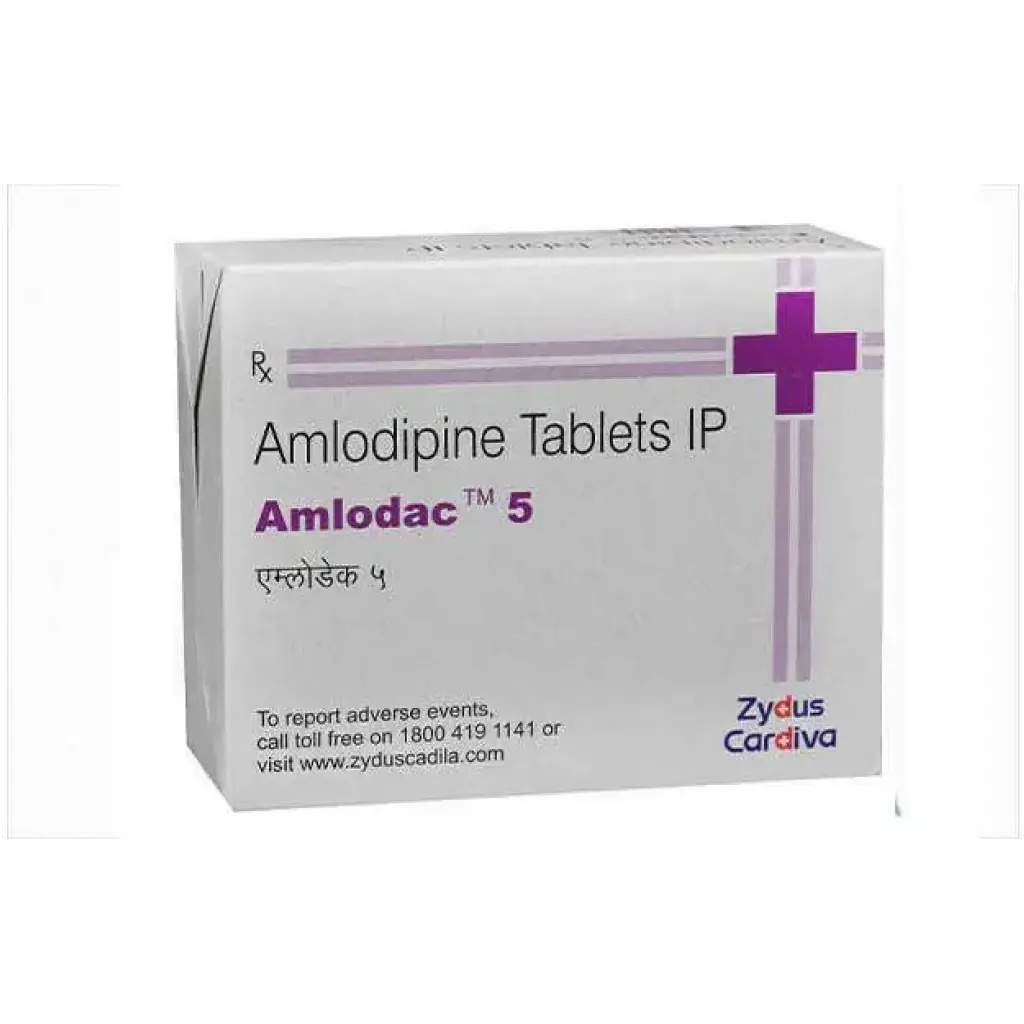
Amlodac 5 mg contains amlodipine besylate, a long-acting calcium channel blocker (CCB) used in the management of hypertension and angina. Manufactured by Zydus Healthcare, it is supplied in 5 mg tablets with a pack size of 180 tablets.
Amlodipine is widely prescribed due to its efficacy in reducing blood pressure, improving coronary blood flow, and its convenient once-daily dosing schedule.
Drug Class
Amlodac belongs to the dihydropyridine calcium channel blocker class. These drugs act primarily on vascular smooth muscle, leading to vasodilation and decreased systemic vascular resistance.
Indications
Clinical Use
- Hypertension (essential high blood pressure)
- Chronic stable angina
- Vasospastic (Prinzmetal's) angina
Therapeutic Role
Amlodipine is frequently used:
- As first-line antihypertensive therapy
- In combination with ACE inhibitors, ARBs, beta-blockers, or diuretics
Mechanism of Action
Amlodipine inhibits L-type calcium channels in vascular smooth muscle, resulting in:
- Relaxation of arterial walls
- Reduced peripheral resistance
- Lower blood pressure
- Improved oxygen supply to the heart
Its long half-life (30–50 hours) supports sustained therapeutic effect with once-daily administration.
Dosage & Administration
- Initial dose: 5 mg once daily
- Adjustment range: 2.5–10 mg daily
- Maximum dose: 10 mg/day
Amlodac 5 mg is a standard starting dose for most adult patients.
It may be taken at any time of day, with or without food, but should be taken consistently at the same time daily.
Use in Females
Amlodipine is commonly prescribed in women and is generally well tolerated. Considerations include:
- Safe for most adult females
- Use during pregnancy only if clearly indicated
Pre-Treatment Assessment
Before initiating Amlodac:
- Assess baseline blood pressure
- Evaluate cardiovascular risk profile
- Check liver function in susceptible individuals
Routine monitoring is recommended during treatment.
Comparative Analysis
Amlodipine vs Other Calcium Channel Blockers
- Longer duration of action compared to nifedipine
- Lower incidence of reflex tachycardia
- Better adherence due to once-daily dosing
Amlodipine vs Other Antihypertensives
- Effective as monotherapy or in combination
- Does not significantly affect electrolyte balance (unlike diuretics)
- Does not directly impact renin-angiotensin system
Risk Management
Common Side Effects
- Peripheral edema (ankle swelling)
- Headache
- Flushing
- Dizziness
Serious Side Effects
- Severe hypotension
- Worsening angina (rare)
- Allergic reactions
Peripheral edema is the most common dose-related adverse effect.
Mitigation Strategies
- Start with appropriate dose (e.g., 5 mg)
- Combine with ACE inhibitors/ARBs to reduce edema
- Monitor regularly for blood pressure response
Drug Interactions
- CYP3A4 inhibitors: may increase amlodipine levels
- Other antihypertensives: additive effects
- Grapefruit juice: may alter metabolism
Sourcing & Selection
When selecting amlodipine products, consider:
- Manufacturer reputation (e.g., Zydus Healthcare)
- Consistent tablet quality and packaging
- Regulatory compliance and authenticity
Conclusion
Amlodac 5 mg (amlodipine) is a widely used and effective calcium channel blocker for managing hypertension and angina. Its long duration of action, ease of use, and well-established safety profile make it a cornerstone therapy in cardiovascular medicine.
Amlodac 5 mg FAQ
What are the side effects of Amlodac?
Common side effects include swelling of the ankles, headache, flushing, and dizziness. Serious side effects are rare but may include low blood pressure and worsening chest pain.
Are Amlodac and amlodipine the same?
Yes, Amlodac is a brand name for amlodipine besylate, which is the active ingredient responsible for its therapeutic effect.
What is the best time to take Amlodac?
Amlodac can be taken at any time of the day, but it should be taken at the same time each day to maintain consistent blood levels.
How long does Amlodac 5 take to work?
Amlodipine begins lowering blood pressure within a few hours, but the full therapeutic effect may take 1–2 weeks of consistent use.