Product Overview
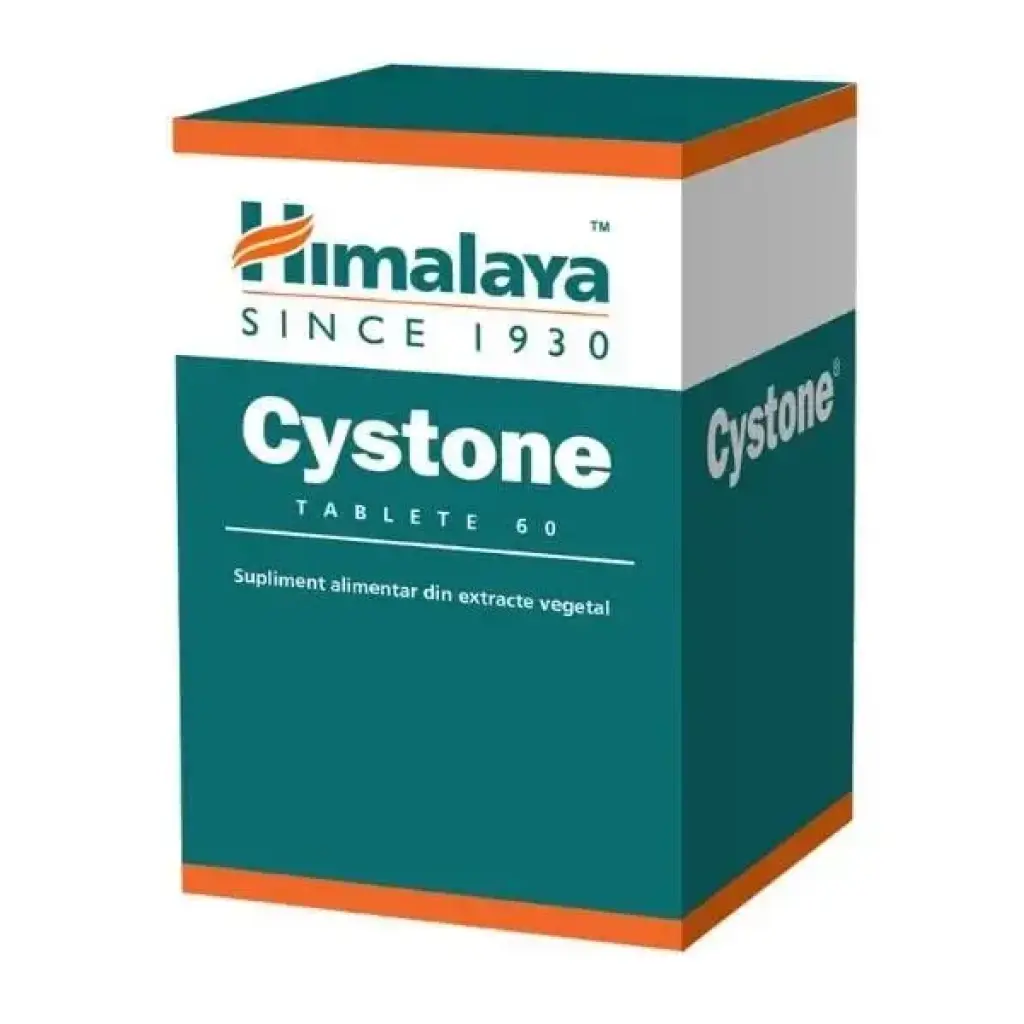
Cystone is a herbal formulation developed by Himalaya Global Holdings, designed to support kidney and urinary tract health. It contains natural plant-based ingredients such as Pasanabheda and Shilapushpa, traditionally used in Ayurvedic medicine.
This product is commonly used for managing kidney stones and promoting urinary health.
Drug Class
Cystone belongs to the herbal urological supplements class, with litholytic (stone-dissolving) and diuretic properties.
Indications
Primary Uses
- Kidney stone prevention and management
- Urinary tract infections (supportive therapy)
- Crystalluria (presence of crystals in urine)
Supportive Benefits
- Helps reduce stone formation
- Promotes urine flow
- Reduces urinary discomfort
- Supports overall kidney function
Mechanism of Action
Cystone works through multiple mechanisms:
- Litholytic action: Helps break down and dissolve kidney stones
- Diuretic effect: Increases urine output to flush out crystals
- Anti-inflammatory properties: Reduces irritation in the urinary tract
- Antimicrobial activity: Supports defense against urinary infections
Dosage & Administration
- Typical dose: 1–2 capsules twice daily
It is usually taken after meals with water. Dosage may vary depending on the severity of the condition and medical advice.
Best Time to Take Cystone
The ideal time to take Cystone is after meals, as it supports better absorption and reduces the risk of stomach discomfort.
Dietary Considerations
Foods to Avoid with Kidney Stones
- High-oxalate foods (spinach, nuts, chocolate)
- Excess salt
- Sugary drinks and sodas
- Excess animal protein
Maintaining hydration is essential to support the effectiveness of Cystone.
Is Cystone Safe for Long-Term Use?
Cystone is generally considered safe for long-term use due to its herbal composition. However, prolonged use should still be monitored by a healthcare professional.
Pre-Treatment Assessment
- Assessment of kidney stone type and size
- Evaluation of urinary symptoms
- Dietary and hydration habits
Comparative Analysis
Cystone vs Conventional Stone Treatments
- Natural and non-invasive approach
- Suitable for prevention and mild cases
- Less aggressive than surgical or pharmaceutical options
Cystone vs Other Herbal Products
- Clinically studied formulation
- Trusted brand (Himalaya)
- Multi-ingredient synergy
Risk Management
Common Side Effects
- Mild gastrointestinal discomfort (rare)
Serious Side Effects
- Allergic reactions (very rare)
Mitigation Strategies
- Follow recommended dosage
- Stay well hydrated
- Consult a doctor if symptoms persist
What to Avoid While Taking Cystone
- Low fluid intake
- High-oxalate diet
- Ignoring persistent symptoms
Drug Interactions
- Minimal known interactions
- Safe with most medications when used appropriately
Sourcing & Selection
When selecting Cystone, consider:
- Authentic Himalaya products
- Proper packaging and storage
- Correct dosage form
Conclusion
Cystone is a trusted herbal solution for supporting kidney health and managing kidney stones. Its natural composition, safety profile, and multi-targeted action make it a valuable option for long-term urinary care.
Cystone FAQ
What is Cystone used for?
It is used for kidney stone management, urinary health support, and prevention of crystal formation.
What foods should I avoid with kidney stones?
Avoid high-oxalate foods, excess salt, sugary drinks, and high animal protein intake.
What is the best time to take a Cystone capsule?
It is best taken after meals with plenty of water.
Is Cystone safe for long-term use?
Yes, it is generally safe for long-term use under medical supervision.