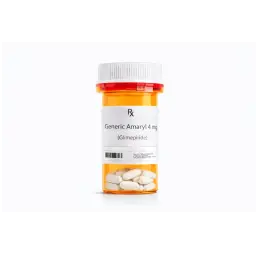
Product Overview
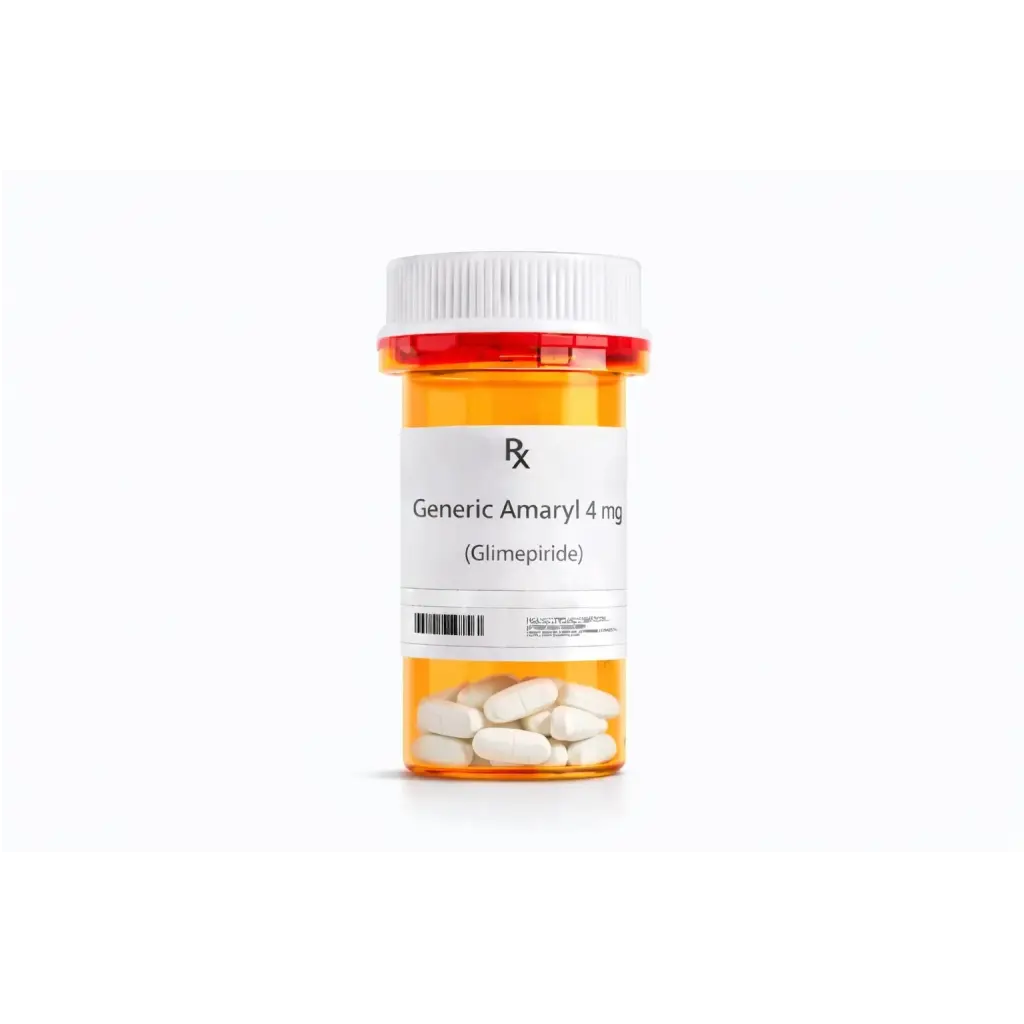
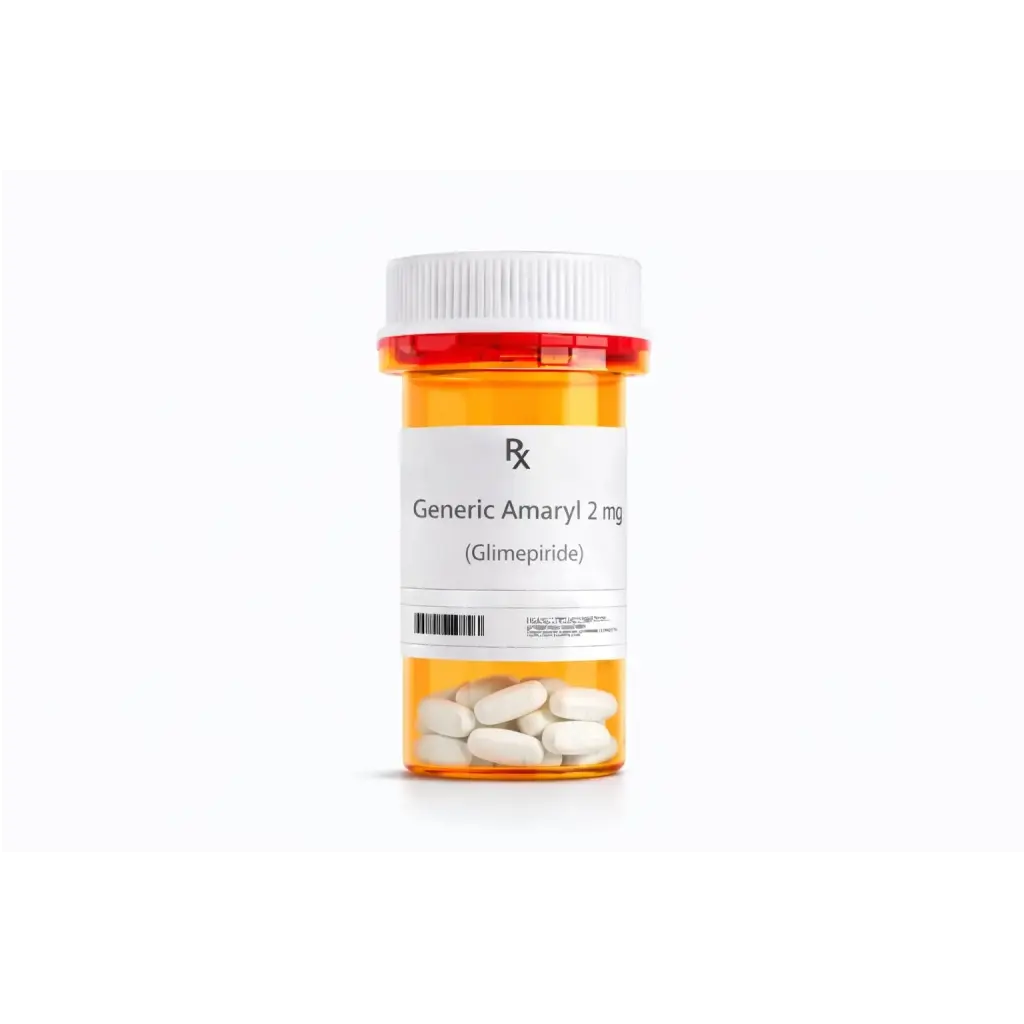
Amaryl is an oral antidiabetic medication containing glimepiride, a second-generation sulfonylurea used in the management of type 2 diabetes mellitus. It is available in strengths of 2 mg and 4 mg per tablet and supplied in packs of 90 tablets.
Glimepiride works by stimulating pancreatic insulin secretion and improving peripheral insulin sensitivity, making it an effective option for glycemic control in patients with residual beta-cell function.
Drug Class
Amaryl belongs to the sulfonylurea class of oral hypoglycemic agents. These medications are characterized by their ability to increase endogenous insulin release from pancreatic beta cells.
Indications
Clinical Use
Glimepiride is indicated for:
- Management of type 2 diabetes mellitus
- Adjunct to diet and exercise when glycemic control is inadequate
- Combination therapy with metformin or insulin when monotherapy is insufficient
Not Indicated For
- Type 1 diabetes mellitus
- Diabetic ketoacidosis (DKA)
Mechanism of Action
Glimepiride binds to sulfonylurea receptors (SUR1) on pancreatic beta cells, leading to closure of ATP-sensitive potassium channels. This results in membrane depolarization and calcium influx, ultimately stimulating insulin release.
Additionally, glimepiride may enhance insulin sensitivity in peripheral tissues, contributing to improved glucose utilization.
Dosage & Administration
- Initial dose: 1–2 mg once daily
- Maintenance dose: 1–4 mg daily
- Maximum dose: 8 mg/day
Amaryl should be taken once daily with breakfast or the first main meal to reduce the risk of hypoglycemia.
Use in Females
Amaryl is widely used in female patients with type 2 diabetes. It does not cause androgenic effects. However, caution is advised in:
- Pregnancy (insulin is generally preferred)
- Breastfeeding
Pre-Treatment Assessment
Before initiating therapy, the following should be evaluated:
- Fasting blood glucose and HbA1c
- Renal function (creatinine, eGFR)
- Liver function tests
Ongoing monitoring is essential to ensure efficacy and safety.
Comparative Analysis
Glimepiride vs Other Sulfonylureas
- Lower risk of hypoglycemia compared to older agents (e.g., glyburide)
- Longer duration of action allowing once-daily dosing
Glimepiride vs Metformin
- Glimepiride increases insulin secretion
- Metformin reduces hepatic glucose production
- Combination therapy is common for enhanced control
Risk Management
Common Side Effects
- Hypoglycemia
- Weight gain
- Dizziness
Serious Side Effects
- Severe hypoglycemia (most clinically significant risk)
- Allergic reactions
- Hematologic effects (rare)
Hypoglycemia risk increases with missed meals, excessive dosing, or alcohol consumption.
Mitigation Strategies
- Take medication with meals
- Monitor blood glucose regularly
- Educate patients on recognizing hypoglycemia symptoms
Drug Interactions
- Increased hypoglycemia risk: insulin, other antidiabetics
- Reduced efficacy: corticosteroids, certain diuretics
- Alcohol: may potentiate hypoglycemia
Sourcing & Selection
When selecting glimepiride products, consider:
- Verified generic manufacturers
- Regulatory approval and quality standards
- Consistent tablet dosing and packaging integrity
Conclusion
Amaryl (glimepiride) is a well-established sulfonylurea for managing type 2 diabetes. Its once-daily dosing and efficacy make it a widely used option, but careful monitoring is essential to minimize the risk of hypoglycemia and optimize treatment outcomes.
Amaryl 2 mg, 4 mg FAQ
Is 4 mg of glimepiride too much?
A 4 mg dose is within the standard therapeutic range. However, the appropriate dose depends on individual glycemic response and should be determined by a healthcare provider.
What is Amaryl 4 mg used for?
Amaryl 4 mg is used to control blood sugar levels in individuals with type 2 diabetes mellitus, particularly when diet and exercise alone are insufficient.
When is the best time to take Amaryl 4 mg?
It is best taken once daily with breakfast or the first main meal to minimize the risk of hypoglycemia.
What is the most common serious side effect of Amaryl?
The most common serious side effect is hypoglycemia, which can be severe if not promptly managed.