Product Overview
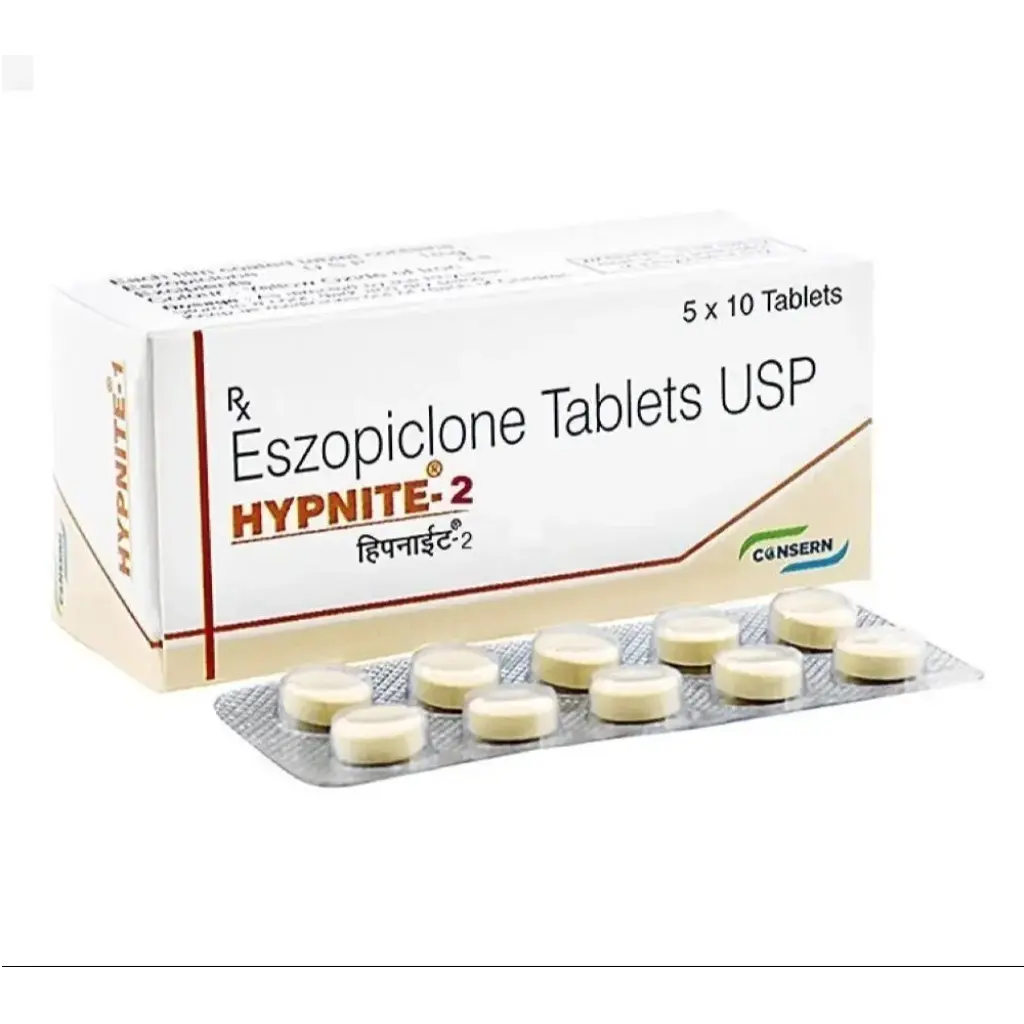
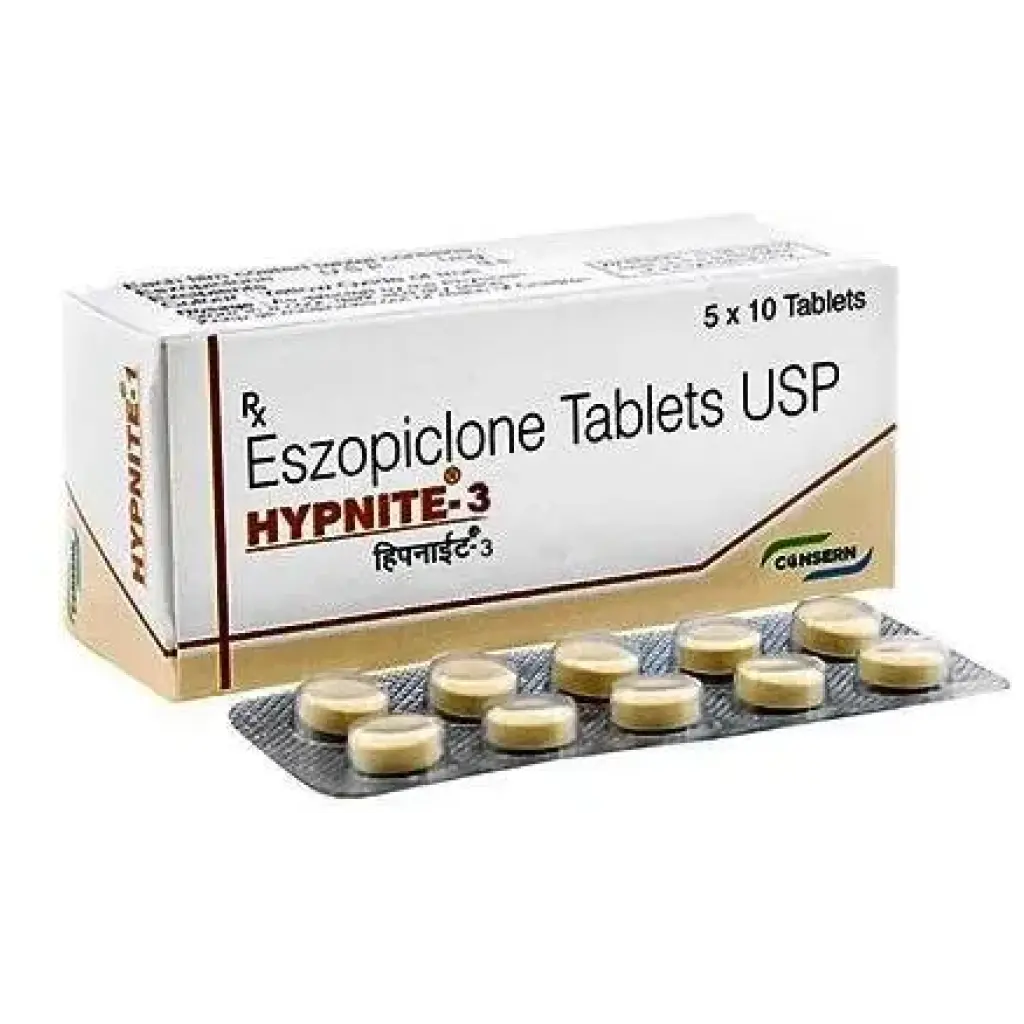
Hypnite contains eszopiclone, a non-benzodiazepine sedative-hypnotic used for the treatment of insomnia. It is available in 2 mg and 3 mg tablet strengths and is manufactured by Consern Pharma.
Eszopiclone is particularly effective for both sleep initiation and sleep maintenance, helping patients fall asleep faster and stay asleep longer.
Drug Class
Hypnite belongs to the sedative-hypnotic class, specifically non-benzodiazepine hypnotics (Z-drugs).
Indications
Primary Uses
- Insomnia (difficulty falling asleep and staying asleep)
- Chronic sleep disturbances
Clinical Role
- Improves total sleep time
- Reduces nighttime awakenings
Mechanism of Action
Eszopiclone works by:
- Binding to GABA-A receptors in the brain
- Enhancing inhibitory neurotransmission
- Producing sedative and calming effects
This results in improved sleep quality and duration.
Dosage & Administration
- Typical dose: 2 mg or 3 mg taken once nightly
It should be taken immediately before bedtime when the patient can get a full night's sleep (7–8 hours).
How Many Hours Will You Sleep After Taking Zopiclone?
Eszopiclone generally helps patients achieve 7–8 hours of sleep, depending on individual response and dosage.
Best Use Guidelines
- Take right before bed
- Avoid taking after a heavy meal
- Ensure adequate time for sleep to avoid next-day drowsiness
Comparative Analysis
Eszopiclone vs Zaleplon
- Eszopiclone: Longer duration, supports sleep maintenance
- Zaleplon: Short-acting, mainly for sleep onset
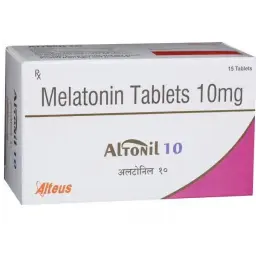
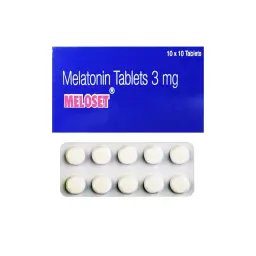
Eszopiclone vs Melatonin
- Eszopiclone: Prescription sedative-hypnotic with stronger effect
- Melatonin: Natural hormone supplement with milder action
Eszopiclone is typically more effective for moderate to severe insomnia, while melatonin may be suitable for mild sleep disturbances.
What Happens If You Take Zopiclone Every Night?
Long-term nightly use may lead to:
- Tolerance (reduced effectiveness)
- Dependence
- Withdrawal symptoms upon discontinuation
Therefore, it is generally recommended for short- to medium-term use under medical supervision.
HRT/TRT Relevance
Hormonal fluctuations can disrupt sleep patterns. Hypnite may be used to manage insomnia associated with hormone therapies.
Use in Females
Hypnite is effective in females but should be used cautiously during pregnancy and breastfeeding.
Pre-Treatment Assessment
- Evaluation of sleep habits
- Assessment for psychiatric conditions
- History of substance use or dependency
Effectiveness
Eszopiclone significantly improves sleep latency, duration, and quality, making it suitable for chronic insomnia management.
Risk Management
Common Side Effects
- Bitter or metallic taste
- Drowsiness
- Dizziness
Serious Side Effects
- Memory impairment
- Sleep-related behaviors (sleepwalking, sleep-driving)
- Dependence with long-term use
Mitigation Strategies
- Use the lowest effective dose
- Limit duration of therapy
- Avoid alcohol and sedatives
What Are the Side Effects of Hypnite?
The most common side effects include a metallic taste, dizziness, and next-day drowsiness. Serious side effects are rare but require immediate medical attention.
What to Avoid While Taking Hypnite
- Alcohol consumption
- Operating machinery after dosing
- Combining with other CNS depressants
Drug Interactions
- CNS depressants: Increased sedation
- Alcohol: Enhanced sedative effects
- CYP3A4 inhibitors: May increase eszopiclone levels
Sourcing & Selection
When choosing Hypnite, consider:
- Trusted manufacturer (Consern Pharma)
- Appropriate dosage (2 mg or 3 mg)
- Short- to medium-term use suitability
Conclusion
Hypnite (eszopiclone) is a highly effective treatment for insomnia, especially for patients who struggle with both falling asleep and staying asleep. When used responsibly, it offers reliable sleep improvement with manageable side effects.
Hypnite 2 mg, 3 mg FAQ
What are the side effects of the drug hypnite?
Common side effects include metallic taste, dizziness, and drowsiness.
How many hours will you sleep after taking a zopiclone?
Most patients achieve around 7–8 hours of sleep.
What happens if you take zopiclone every night?
Long-term use may lead to tolerance, dependence, and withdrawal symptoms.
Is melatonin or zopiclone better?
Zopiclone is more potent and effective for insomnia, while melatonin is milder and used for sleep regulation.