Product Overview
Nebicard contains nebivolol hydrochloride, a highly selective beta-1 adrenergic receptor blocker used primarily to manage hypertension (high blood pressure) and support cardiovascular health.
In addition to lowering blood pressure, nebivolol has unique vasodilatory properties due to its effect on nitric oxide release, making it distinct among beta-blockers.
Drug Class
Nebicard belongs to the cardioselective beta-blockers, specifically β1-selective adrenergic antagonists with vasodilating effects.
Indications
Primary Uses
- Hypertension (high blood pressure)
- Prevention of cardiovascular complications
Secondary Uses
- Heart failure (in selected patients)
- Reduction of heart workload
- Improvement of vascular function
Mechanism of Action
Nebivolol works through two main mechanisms:
- β1-receptor blockade: Reduces heart rate and cardiac output
- Nitric oxide release: Causes vasodilation and improves blood flow
This dual action results in effective blood pressure control with improved vascular health.
Dosage & Administration
- Typical dose: 2.5 mg to 5 mg once daily
It can be taken once daily, with or without food, preferably at the same time each day.
What Are the Benefits of Nebicard?
Nebicard offers several benefits:
- Effective blood pressure reduction
- Improved heart efficiency
- Vasodilation for better circulation
- Lower risk of cardiovascular events
- Better tolerability compared to some older beta-blockers
HRT/TRT Relevance
Nebicard may be used in patients undergoing hormone therapies to manage cardiovascular risks, especially hypertension.
Use in Females
Nebicard is suitable for use in females with hypertension. Use during pregnancy or breastfeeding should only occur under medical supervision.
Pre-Treatment Assessment
- Blood pressure and heart rate evaluation
- Assessment of cardiac function
- Review of respiratory conditions (e.g., asthma)
Effectiveness
Nebicard is highly effective in controlling blood pressure and improving cardiovascular outcomes, particularly due to its dual mechanism.
Risk Management
Common Side Effects
- Fatigue
- Dizziness
- Headache
Less Common Effects
- Bradycardia (slow heart rate)
- Cold extremities
Serious Side Effects
- Severe hypotension
- Heart block (rare)
- Breathing difficulties in sensitive individuals
Mitigation Strategies
- Start with a low dose
- Monitor blood pressure and pulse regularly
- Avoid abrupt discontinuation
What to Avoid While Taking Nebicard
- Sudden discontinuation
- Excess alcohol intake
- Combining with other blood pressure medications without supervision
Drug Interactions
- Other antihypertensive drugs
- Calcium channel blockers
- Antiarrhythmic medications
Sourcing & Selection
When choosing Nebicard:
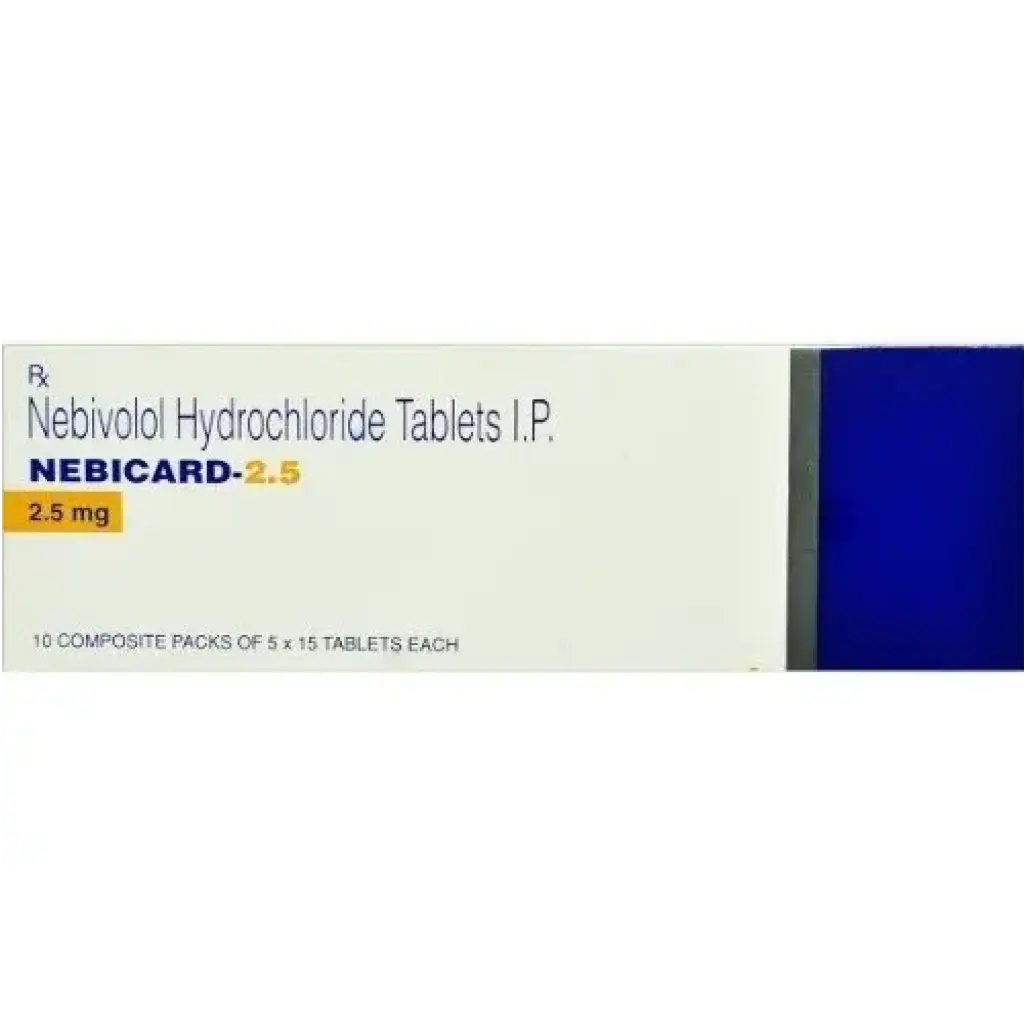
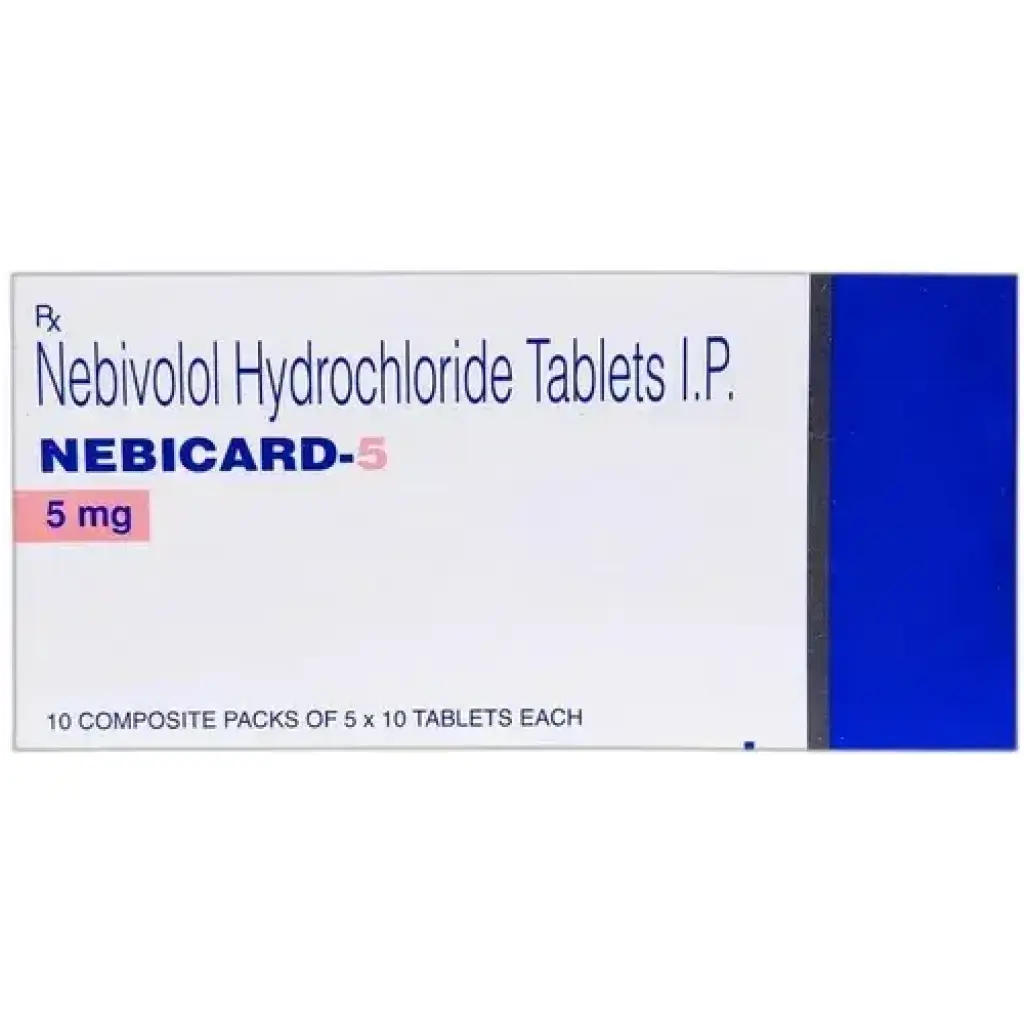
- Verify dosage strength (2.5 mg or 5 mg)
- Ensure reputable manufacturer (Torrent Pharmaceuticals)
- Store in a cool, dry place
Conclusion
Nebicard is a modern beta-blocker offering effective blood pressure control with added vascular benefits. Its favorable safety profile and once-daily dosing make it a preferred choice for long-term cardiovascular management.
Nebicard 2.5 mg, 5 mg FAQ
What are the benefits of Nebicard?
It lowers blood pressure, improves heart function, and enhances blood flow through vasodilation.
When is the best time to take Nebicard?
It can be taken once daily at a consistent time, either morning or evening.
Is Nebicard safe for elderly patients?
Yes, it is generally safe and well-tolerated with appropriate dosing.
How fast does nebicard work?
It starts working within hours, but full effects are seen after 1–2 weeks.