Product Overview
Protonix contains pantoprazole sodium, a highly effective proton pump inhibitor (PPI) used to reduce stomach acid production. It is commonly prescribed for acid-related gastrointestinal conditions.
By lowering acid levels, Protonix helps relieve symptoms and promotes healing of the esophagus and stomach lining.
Drug Class
Protonix belongs to the proton pump inhibitors (PPIs), which suppress gastric acid secretion by blocking the proton pump in stomach cells.
Indications
Primary Uses
- Gastroesophageal reflux disease (GERD)
- Erosive esophagitis
- Acid reflux and chronic heartburn
Secondary Uses
- Zollinger-Ellison syndrome
- Prevention of stress ulcers in hospitalized patients
- Protection against NSAID-induced gastric irritation
Mechanism of Action
Pantoprazole works by inhibiting the H+/K+ ATPase enzyme in gastric parietal cells:
- Blocks the final step of acid production
- Significantly reduces gastric acid secretion
- Allows damaged tissue to heal
Dosage & Administration
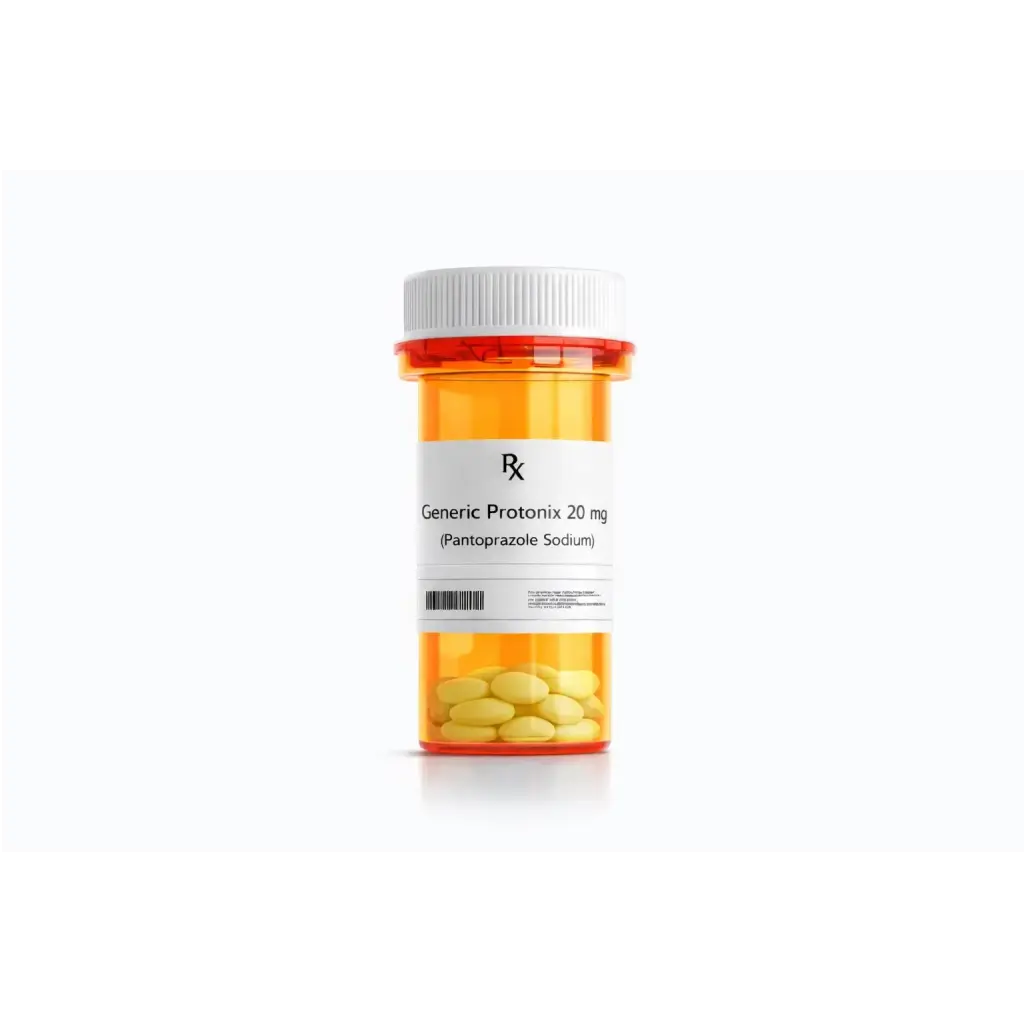
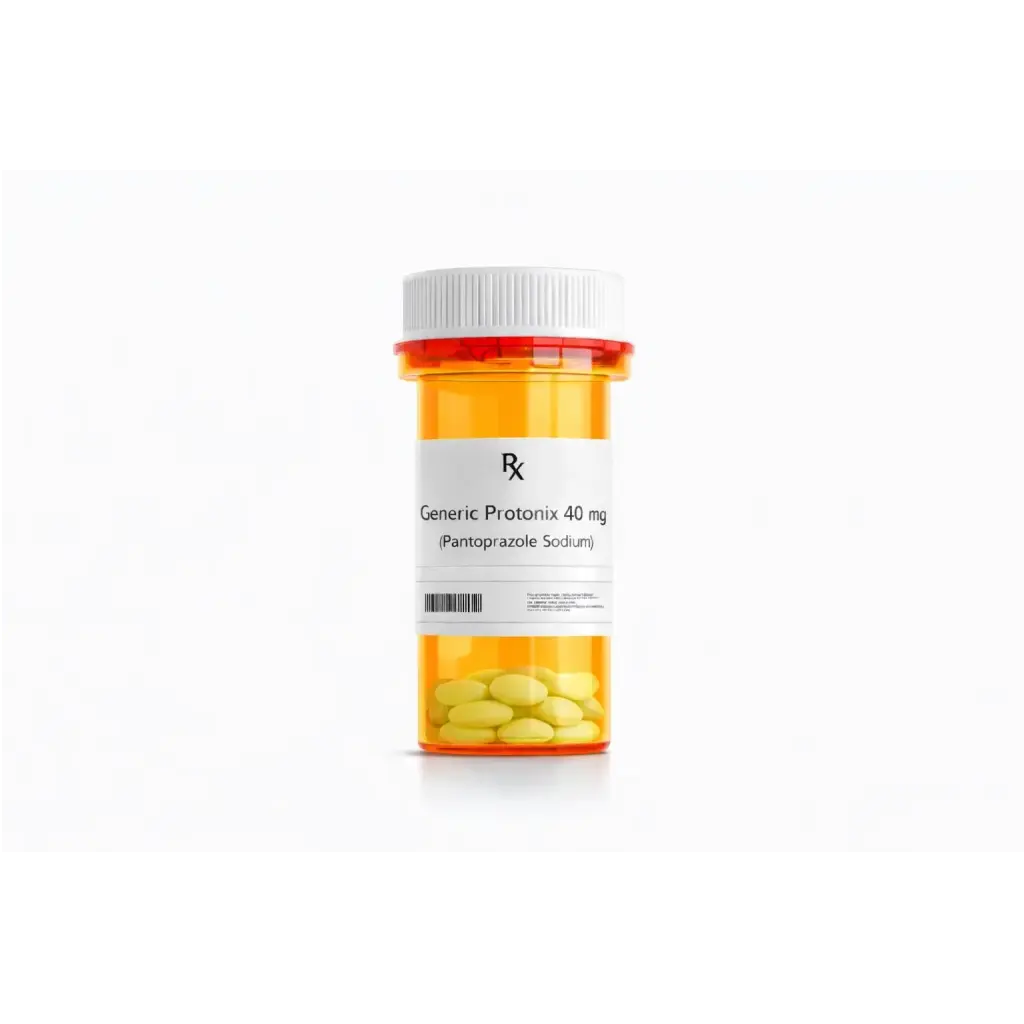
- Typical dose: 20 mg or 40 mg once daily
It is best taken before meals, usually in the morning, for maximum effectiveness.
Use in Females
Protonix is widely used in females and is generally well tolerated. Use during pregnancy or breastfeeding should be supervised by a healthcare provider.
Pre-Treatment Assessment
- Assessment of gastrointestinal symptoms
- Evaluation for underlying conditions
- Review of medications and risk factors
Effectiveness
Protonix is highly effective in controlling stomach acid and relieving symptoms of GERD and ulcers. Many patients experience significant improvement within the first week.
Risk Management
Common Side Effects
Less Common Effects
- Abdominal pain
- Flatulence
Serious Side Effects
- Kidney problems
- Severe allergic reactions
- Electrolyte imbalances
Mitigation Strategies
- Use the lowest effective dose
- Avoid prolonged use unless necessary
- Monitor health during long-term therapy
What to Avoid While Taking Protonix
- Alcohol and smoking
- Trigger foods that worsen reflux
- Unnecessary long-term use
Drug Interactions
- Drugs that require stomach acid for absorption
- Certain antifungal medications
- Blood thinners (monitoring may be required)
Sourcing & Selection
When choosing Protonix:
- Select the appropriate strength (20 mg or 40 mg)
- Verify product quality and authenticity
- Store in a cool, dry place
Conclusion
Protonix (pantoprazole) is a trusted proton pump inhibitor that effectively reduces stomach acid and supports healing in acid-related conditions. When used properly, it offers reliable and long-lasting relief from GERD and other gastrointestinal disorders.
Protonix 20 mg, 40 mg FAQ
What to avoid when taking Protonix?
Avoid alcohol, trigger foods, and long-term unsupervised use.
Is Protonix a high risk medication?
No, it is generally safe but long-term use should be monitored.
Why do all hospital patients get Protonix?
It is used to prevent stress ulcers and protect against gastrointestinal bleeding.
How long does it take Protonix to heal acid reflux?
Relief starts in a few days, but full healing may take 4–8 weeks.