Product Overview
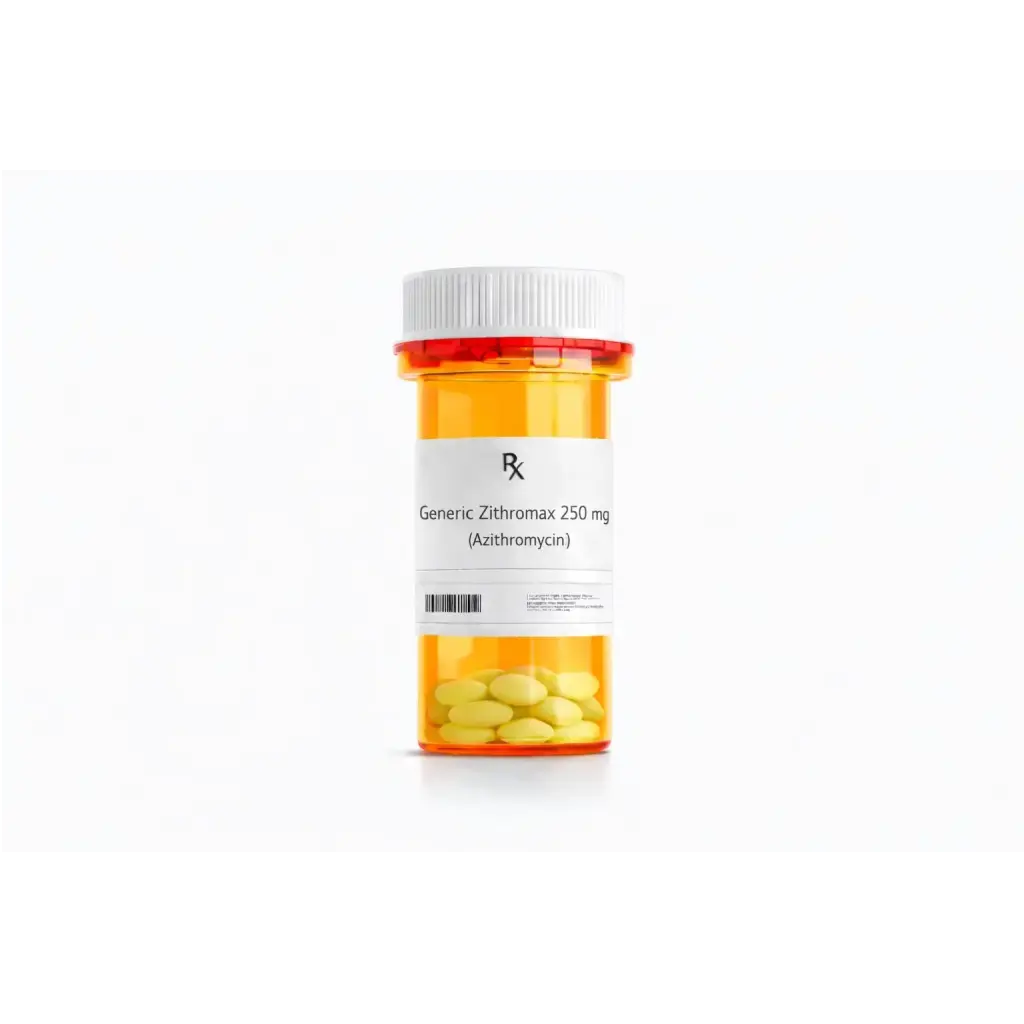
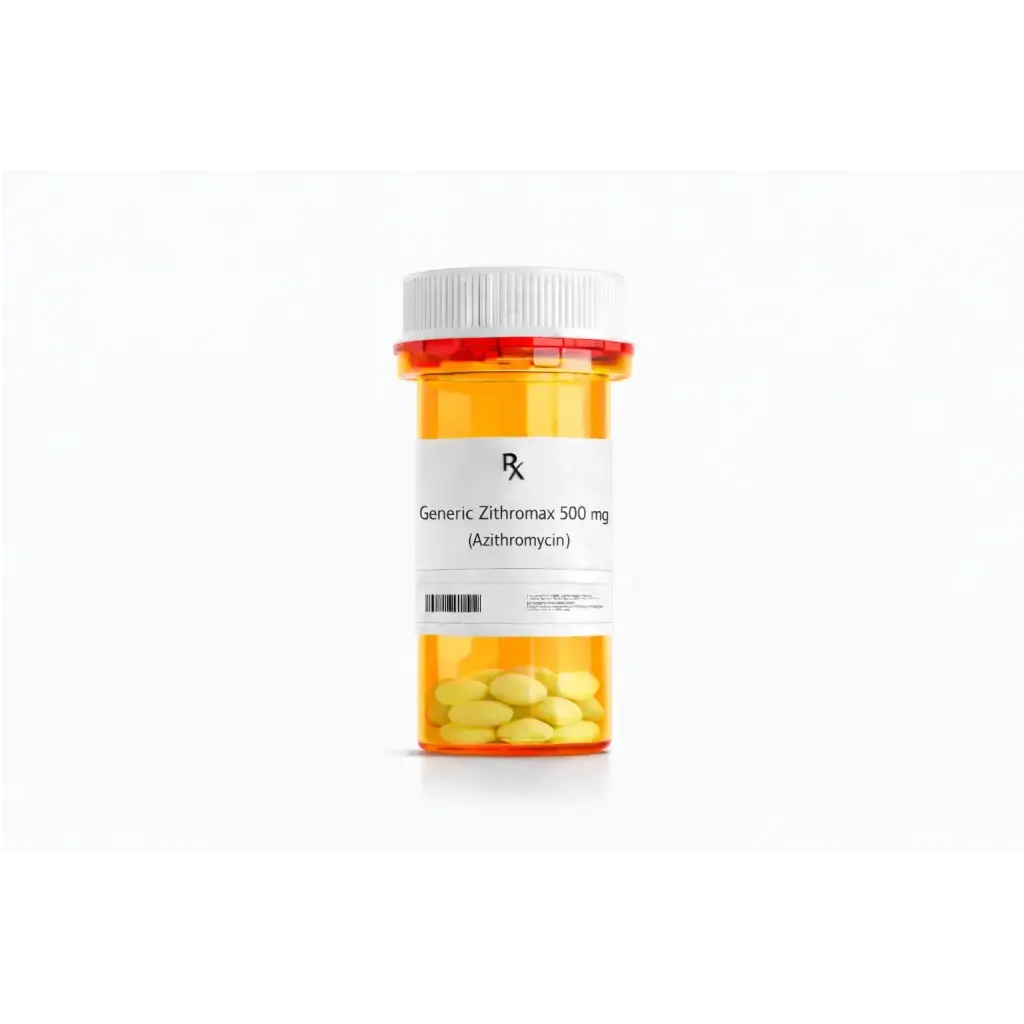
Zithromax 250 mg and 500 mg contain azithromycin, a widely used macrolide antibiotic effective against a broad range of bacterial infections. It is commonly prescribed for respiratory, skin, and sexually transmitted infections.
Zithromax is known for its convenient dosing schedule and long half-life, allowing shorter treatment courses.
Drug Class
Zithromax belongs to the macrolide antibiotics, which inhibit bacterial protein synthesis to stop bacterial growth.
Indications
Primary Uses
- Respiratory tract infections (bronchitis, pneumonia)
- Throat infections (pharyngitis, tonsillitis)
- Skin and soft tissue infections
Secondary Uses
- Ear infections
- Sexually transmitted infections (e.g., chlamydia)
- Certain gastrointestinal infections
Mechanism of Action
Azithromycin works by inhibiting bacterial protein synthesis:
- Binds to the 50S ribosomal subunit
- Prevents bacteria from producing essential proteins
- Stops bacterial growth and replication
Dosage & Administration
- Typical dose: 250 mg or 500 mg once daily
- Duration varies (commonly 3–5 days)
- Take with or without food
Always complete the full course as prescribed.
Use in Special Populations
- Use cautiously in patients with liver disease
- Adjustments may be needed in certain conditions
Pre-Treatment Assessment
- Identification of bacterial infection
- Assessment of antibiotic allergies
- Review of concurrent medications
Effectiveness
Zithromax is highly effective against a wide range of bacteria, particularly in respiratory and soft tissue infections. Its long half-life allows for shorter treatment durations.
Risk Management
Common Side Effects
- Nausea
- Diarrhea
- Abdominal pain
Less Common Effects
Serious Side Effects
- Severe allergic reactions
- Liver dysfunction
- Heart rhythm disturbances (QT prolongation)
Mitigation Strategies
- Complete full course of therapy
- Avoid unnecessary antibiotic use
- Seek medical attention for severe symptoms
What to Avoid While Taking Zithromax
- Antacids containing aluminum or magnesium (timing separation required)
- Alcohol (may worsen side effects)
- Skipping doses
Drug Interactions
- Antacids
- Blood thinners
- Medications affecting heart rhythm
Sourcing & Selection
When selecting Zithromax:
- Choose appropriate dose (250 mg or 500 mg)
- Ensure authenticity of product
- Store properly in a cool, dry place
Conclusion
Zithromax 250 mg / 500 mg is a reliable macrolide antibiotic that effectively treats a wide range of bacterial infections. Its convenient dosing and strong efficacy make it a popular choice in clinical practice.
Zithromax 250 mg, 500 mg FAQ
What is Zithromax most commonly used for?
It is commonly used for respiratory and bacterial infections.
Is Zithromax stronger than amoxicillin?
No, they are different antibiotics used for different infections.
Can I use Zithromax for a cough?
Only if the cough is caused by a bacterial infection.
How fast does Zithromax work?
It starts working within 24–48 hours.