


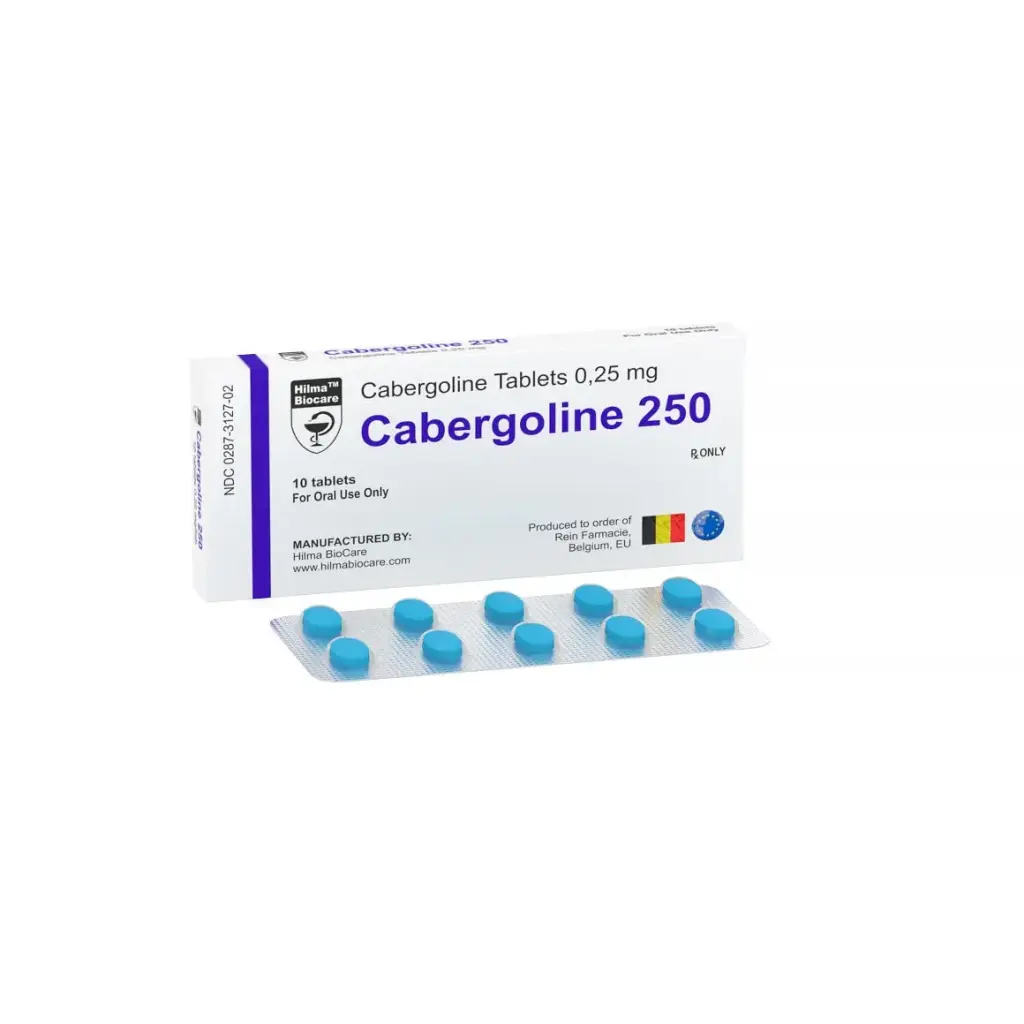
Product Class: Dopamine D2-Receptor Agonist / Prolactin Inhibitor
Active Ingredient: Cabergoline
Concentration: 2 mg per tablet
Price For: 100 tablets
Brand: Cabaser
Cabergoline 2 mg by Zyvex Pharmaceuticals contains Cabergoline, a long-acting dopamine receptor agonist, in a pack of 100 tablets. The stated brand name is Cabaser. Cabergoline is an ergot-derived medication with high affinity for dopamine D2 receptors and is best established clinically for reducing excessive secretion of the hormone prolactin.
Cabergoline is used medically in the management of hyperprolactinemia and prolactin-secreting pituitary adenomas. By stimulating dopamine D2 receptors in pituitary lactotroph cells, it inhibits prolactin secretion and can help normalize the reproductive and endocrine disturbances associated with excessive prolactin.
Cabergoline is also encountered in bodybuilding discussions, particularly in connection with anabolic-androgenic steroids sometimes described as "19-nor" compounds. This non-medical context should be distinguished from treatment of confirmed hyperprolactinemia. Cabergoline should not be used simply because a particular anabolic steroid is present in a cycle, as unnecessary dopamine-agonist exposure can produce clinically significant adverse effects.
Cabergoline is primarily used to treat disorders characterized by pathologically elevated prolactin. Depending on the clinical circumstances, these include:
Successful prolactin reduction can restore gonadal function in some patients whose reproductive hormone abnormalities are driven by excessive prolactin.
Within bodybuilding and performance-enhancement communities, Cabergoline is most commonly discussed in relation to:
These associations are frequently oversimplified. Nandrolone or Trenbolone use does not automatically establish hyperprolactinemia, and symptoms such as erectile dysfunction, reduced libido, or breast tenderness can have multiple causes. Prolactin should therefore be measured and interpreted clinically rather than treated presumptively.
Dopamine normally acts as the principal physiological inhibitor of prolactin secretion. Cabergoline mimics this action by strongly stimulating dopamine D2 receptors on lactotroph cells in the anterior pituitary gland.
D2-receptor activation suppresses prolactin synthesis and release. In patients with prolactinomas, sustained dopamine-receptor stimulation may also reduce tumor volume.
Lowering abnormally elevated prolactin can indirectly improve several endocrine functions, including:
Cabergoline does not directly supply testosterone, inhibit aromatase, or block estrogen receptors. Its endocrine effects are therefore fundamentally different from testosterone, Anastrozole, Exemestane, and Tamoxifen.
When Cabergoline is used for an appropriate medical indication, potential benefits include:
The expected benefit depends on establishing that excessive prolactin is actually responsible for the patient's symptoms. Cabergoline is not a general-purpose libido enhancer or testosterone booster.
Cabergoline is sometimes discussed alongside hormonal medications and anabolic compounds, but its appropriate role is based on prolactin physiology rather than on a predetermined bodybuilding stack.
Using Cabergoline prophylactically without documented hyperprolactinemia is not an evidence-based requirement of an anabolic-steroid regimen. Estradiol, prolactin, testosterone, medication exposure, thyroid status, and other potential causes should be considered when endocrine symptoms develop.
Cabergoline is not Testosterone Replacement Therapy (TRT) and does not directly replace testosterone. However, prolactin and gonadal function are physiologically connected.
Marked hyperprolactinemia can interfere with hypothalamic gonadotropin-releasing hormone signaling and subsequently reduce luteinizing hormone, follicle-stimulating hormone, testosterone production, fertility, and sexual function. Treating the underlying hyperprolactinemia may allow endogenous gonadal function to recover in appropriate patients.
For men already receiving TRT, Cabergoline should not be automatically added because of sexual symptoms or anabolic-steroid history. Prolactin should be measured when clinically indicated, and the underlying cause of any abnormal result should be investigated.
Persistently elevated prolactin can sometimes indicate pituitary disease, medication effects, hypothyroidism, renal disease, or other conditions that require diagnosis rather than symptom-directed self-treatment.
Cabergoline dosing is highly dependent on the clinical indication, baseline prolactin concentration, individual response, tolerability, and applicable prescribing guidance. Treatment of hyperprolactinemia is generally titrated rather than based simply on the strength of the available tablet.
This product contains 2 mg per tablet. That is a comparatively high-strength dosage unit and should not be interpreted as an appropriate starting dose or single dose for hyperprolactinemia.
Because Cabergoline is long acting, medically supervised therapy typically uses individualized dosing intervals with follow-up prolactin measurements. Dose adjustments are made according to biochemical response and tolerability rather than attempting to suppress prolactin to the lowest possible concentration.
Bodybuilding protocols circulating online should not be substituted for clinical dosing. Taking Cabergoline solely because Nandrolone, Trenbolone, or another performance-enhancing drug is being used can expose an individual to unnecessary dopaminergic effects without demonstrating a therapeutic need.
Patients prescribed Cabergoline should follow their clinician's instructions and should not independently increase the dose or double subsequent doses after a missed administration.
Cabergoline has established clinical applications in women with hyperprolactinemia. Excessive prolactin can interfere with ovulation and menstrual function and may contribute to infertility, galactorrhea, and symptoms of estrogen deficiency.
When hyperprolactinemia is appropriately treated, ovulation and fertility may return relatively quickly. This is particularly important for women who are sexually active but are not planning pregnancy.
Pregnancy management requires individualized specialist assessment, particularly in women with prolactinomas. The decision to continue or discontinue dopamine-agonist treatment depends on tumor characteristics, pregnancy status, symptoms, and endocrine history.
Cabergoline is not androgenic and therefore does not produce the virilization characteristic of anabolic-androgenic steroids.
Cabergoline 2 mg by Zyvex Pharmaceuticals, supplied under the stated Cabaser brand name, is a long-acting dopamine D2-receptor agonist formulated as 100 tablets. Its principal pharmacological action is inhibition of pituitary prolactin secretion, giving Cabergoline an established role in the treatment of hyperprolactinemia and prolactinomas.
Although Cabergoline is frequently discussed alongside Nandrolone, Trenbolone, testosterone, and estrogen-control medications in performance settings, its use should be guided by documented prolactin abnormalities rather than automatically incorporated into an anabolic regimen. The 2 mg tablet strength is also not equivalent to a standard individual dose. Appropriate diagnosis, individualized titration, and clinical follow-up are particularly important with this potent, long-acting dopamine agonist.
Cabergoline is primarily used to reduce abnormally elevated prolactin and treat conditions such as hyperprolactinemia and prolactin-secreting pituitary adenomas.
Cabaser is a brand name associated with Cabergoline. Cabergoline is the pharmacologically active substance responsible for dopamine D2-receptor agonism and prolactin suppression.
Yes. Cabergoline stimulates dopamine D2 receptors in pituitary lactotroph cells, strongly inhibiting prolactin secretion.
Not automatically. The use of a 19-nor anabolic steroid does not prove that prolactin is elevated. Symptoms and laboratory findings should establish whether hyperprolactinemia is actually present before dopamine-agonist therapy is considered.
Gynecomastia has multiple potential causes, with estrogen signaling playing a major role in many cases. Cabergoline is not a general gynecomastia treatment. Prolactin-lowering therapy is relevant only when a clinically meaningful prolactin abnormality contributes to the presentation.
Please log in to write Cabergoline review.
Product Class: Dopamine Agonist (Prolactin Inhibitor)
Active Ingredient: Cabergoline
Concentration: 0.25 mg / 0.5 mg per tablet
Price For: 8 tablets
Brand: Dostinex (Sun Pharma Laboratories)
Aromatase Inhibitor; Antiestrogen
Active Ingredient: Anastrozole
Concentration: 1 mg / pill
Price For: 50 pills
Brand: British Dragon Pharmaceuticals
Selective Estrogen Receptor Modulator; Progonadotropin
Active Ingredient: Clomiphene Citrate
Concentration: 50 mg / pill
Price For: 50 pills
Brand: British Dragon Pharmaceuticals
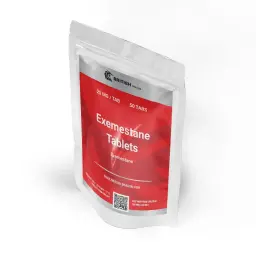
Aromatase Inhibitor; Antiestrogen
Active Ingredient: Exemestane
Concentration: 25 mg / pill
Price For: 50 pills
Brand: British Dragon Pharmaceuticals