



Product Class: Selective Estrogen Receptor Modulator (SERM) / Ovulation Stimulant
Active Ingredient: Clomiphene Citrate
Concentration: 50 mg per tablet
Price For: 100 tablets
Brand: Clomid
Clomid 50 mg by Zyvex Pharmaceuticals contains Clomiphene Citrate 50 mg per tablet in a pack of 100 tablets. Clomiphene is an orally active selective estrogen receptor modulator (SERM) best established as a fertility medication used to stimulate ovulation in appropriately selected women with ovulatory dysfunction.
Clomiphene modifies estrogen signaling at the hypothalamic-pituitary level. By reducing the hypothalamus's perception of estrogenic negative feedback, it can increase gonadotropin-releasing hormone (GnRH) signaling and subsequently increase pituitary secretion of luteinizing hormone (LH) and follicle-stimulating hormone (FSH).
This mechanism also explains why Clomiphene is encountered in male reproductive endocrinology and bodybuilding discussions. In selected men with an intact hypothalamic-pituitary-testicular axis, increased LH and FSH may stimulate endogenous testosterone production and support spermatogenesis. These male applications are distinct from Clomiphene's traditional female fertility indication and may be off-label depending on jurisdiction.
Clomiphene is primarily associated with treatment of ovulatory dysfunction in women who desire pregnancy. By increasing endogenous gonadotropin signaling, it can stimulate follicular development and ovulation in appropriately selected patients.
Clinical applications may include:
Infertility has numerous possible causes. Clomiphene is therefore not appropriate for every woman who has difficulty conceiving or every man with a low testosterone measurement.
Within bodybuilding and anabolic-steroid communities, Clomid is commonly discussed after exposure to suppressive anabolic-androgenic steroids. The objective is usually to stimulate endogenous LH and FSH signaling after exogenous androgens have reduced hypothalamic-pituitary-gonadal activity.
Performance-related discussions commonly associate Clomiphene with:
These practices should not be confused with a standardized medical treatment protocol. Recovery following anabolic-steroid exposure varies substantially according to the compounds used, duration of exposure, baseline endocrine function, and individual physiology.
Estrogen normally provides negative feedback to the hypothalamus and pituitary gland. Clomiphene binds to estrogen receptors and modifies this feedback, particularly at the hypothalamic level.
Reduced perception of estrogen signaling can increase:
In women, increased FSH can promote ovarian follicular development, while the subsequent LH response contributes to ovulation.
In men with functional testes and pituitary signaling, increased LH can stimulate Leydig-cell testosterone production, while FSH contributes to Sertoli-cell function and spermatogenesis.
Clomiphene does not supply testosterone and does not inhibit the aromatase enzyme. Its mechanism therefore differs fundamentally from testosterone replacement and aromatase inhibitors such as Anastrozole or Exemestane.
When used for an appropriate indication, potential benefits include:
Clomiphene's effectiveness depends on the underlying endocrine physiology. It cannot correct every cause of infertility or testosterone deficiency, particularly when the testes or pituitary gland cannot respond appropriately to gonadotropin signaling.
Clomiphene may be encountered alongside other endocrine medications in legitimate fertility care and in non-medical post-anabolic-steroid settings. Each drug affects a different component of reproductive physiology.
In bodybuilding discussions, Clomid is frequently combined with Tamoxifen or preceded by HCG. These combinations should not be interpreted as universally appropriate PCT protocols. The correct endocrine approach depends on laboratory findings, fertility goals, symptoms, and the underlying cause of gonadal suppression.
Clomiphene is not conventional Testosterone Replacement Therapy (TRT). TRT provides exogenous testosterone, whereas Clomiphene attempts to stimulate the body's own hypothalamic-pituitary-testicular signaling.
In selected men with secondary or functional hypogonadism, Clomiphene may increase endogenous testosterone by increasing LH secretion. Because the testes remain stimulated, this approach may have advantages when preservation of fertility and spermatogenesis is an important treatment objective.
By contrast, exogenous testosterone commonly suppresses LH and FSH and can substantially reduce intratesticular testosterone and sperm production.
Clomiphene is not appropriate for all forms of hypogonadism. Men with primary testicular failure may already have elevated gonadotropins, meaning further pituitary stimulation may provide little benefit. Determining the underlying cause of low testosterone is therefore essential.
Clomiphene dosing is indication-specific. For female ovulation induction, established treatment uses defined short courses under fertility supervision, with timing linked to the menstrual cycle and response to treatment.
This product contains 50 mg of Clomiphene Citrate per tablet. The 50 mg strength is a recognized pharmaceutical dosage unit, but it should not automatically be interpreted as the appropriate daily amount for every patient or indication.
Male endocrine use differs substantially from female fertility treatment. When Clomiphene is prescribed off-label to men, treatment is individualized according to baseline testosterone, LH, FSH, estradiol, fertility objectives, symptoms, and follow-up laboratory findings.
Likewise, there is no single medically validated bodybuilding PCT schedule appropriate after every anabolic-steroid regimen. Different steroids have different durations of action and degrees of endocrine suppression, and persistent hypogonadal symptoms may require formal endocrine evaluation rather than repeated self-directed SERM treatment.
Patients should not independently increase Clomiphene exposure or extend treatment indefinitely because hormone measurements have not immediately normalized.
Female fertility treatment is Clomiphene's best-established clinical application. The medication can stimulate ovulation in appropriately selected women with ovulatory dysfunction.
Response should be monitored because ovarian stimulation can produce more than one mature follicle, increasing the probability of multiple pregnancy compared with natural conception.
Clomiphene is intended to facilitate ovulation before conception and should not be continued as routine treatment after pregnancy has been established unless specifically directed within specialist care.
Persistent infertility despite ovulation induction warrants investigation for other potential causes, including tubal disease, diminished ovarian reserve, uterine abnormalities, endometriosis, and male-factor infertility.
Clomid by Zyvex Pharmaceuticals contains Clomiphene Citrate 50 mg per tablet in a 100-tablet pack. Clomiphene is a selective estrogen receptor modulator with an established role in female ovulation induction and additional off-label applications in selected male endocrine and fertility settings.
Its ability to increase endogenous LH and FSH explains both its reproductive applications and its prominence in post-anabolic-steroid discussions. However, Clomiphene is not testosterone, an aromatase inhibitor, or a universal solution for steroid-induced hypogonadism. Appropriate use depends on the underlying endocrine diagnosis, reproductive goals, laboratory findings, and clinical response.
Clomid contains Clomiphene Citrate and is best established for inducing ovulation in selected women with ovulatory infertility. It is also used off-label in some male endocrine and fertility settings.
It can increase endogenous testosterone in appropriately selected men by increasing pituitary LH secretion. The response depends on an adequately functioning hypothalamic-pituitary-testicular axis.
Clomiphene is commonly discussed as a post-cycle SERM because it can increase LH and FSH signaling. However, bodybuilding PCT is not a single standardized medical regimen, and recovery should ideally be assessed according to the individual's endocrine status.
No. Clomiphene is a selective estrogen receptor modulator. Aromatase inhibitors such as Anastrozole and Exemestane reduce estrogen synthesis through a different mechanism.
Because Clomiphene stimulates endogenous gonadotropins rather than directly supplying testosterone, it may preserve or support spermatogenesis in selected men. Fertility treatment should nevertheless be guided by semen analysis and appropriate endocrine assessment.
No. Both are SERMs, but Clomid contains Clomiphene while Nolvadex contains Tamoxifen. Their receptor activity, approved indications, and clinical applications differ.
Please log in to write Clomid 50 mg review.

Product Class: Selective Estrogen Receptor Modulator (SERM)
Active Substance: Clomiphene Citrate
Concentration: 50 mg per tablet
Price For: 100 tablets
Brand: Clomid

Selective Estrogen Receptor Modulator; Progonadotropin
Active Ingredient: Clomiphene Citrate
Concentration: 50 mg / pill
Price For: 50 pills
Brand: Axiolabs
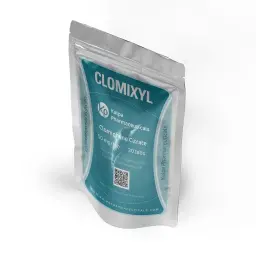
Selective Estrogen Receptor Modulator; Progonadotropin
Active Ingredient: Clomiphene Citrate
Concentration: 50 mg / pill
Price For: 30 pills
Brand: Kalpa Pharmaceuticals
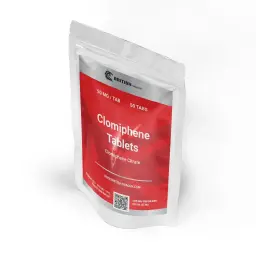
Selective Estrogen Receptor Modulator; Progonadotropin
Active Ingredient: Clomiphene Citrate
Concentration: 50 mg / pill
Price For: 50 pills
Brand: British Dragon Pharmaceuticals