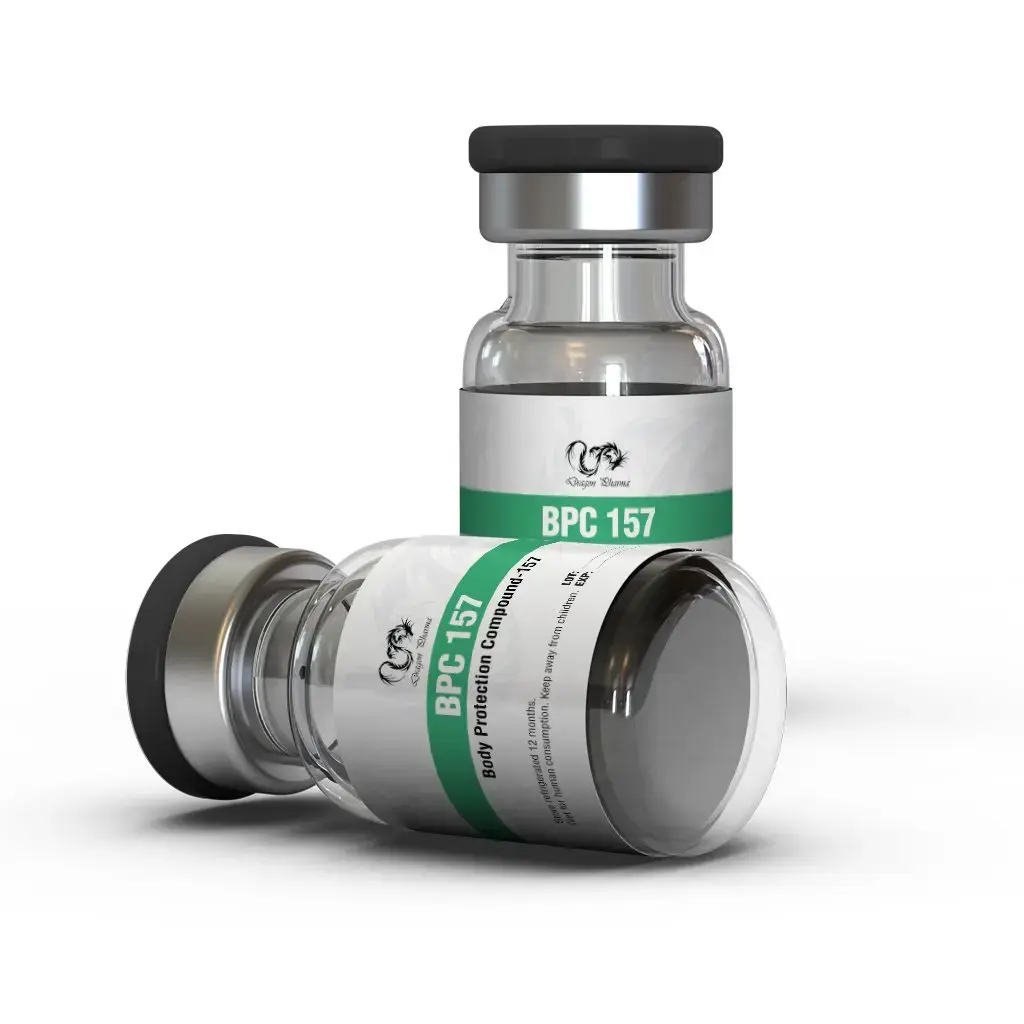
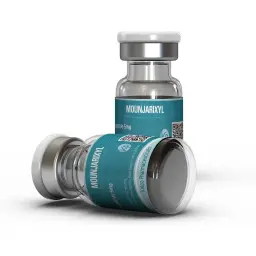
Original BPC 157 by Dragon Pharma
Product Overview
BPC 157 5 mg is a synthetic peptide derived from a protective protein found in gastric juice, known as Body Protection Compound (BPC). It is widely studied for its potential in tissue repair, injury recovery, and anti-inflammatory effects.
Manufactured by Dragon Pharma, BPC-157 is commonly used in research and performance contexts for accelerating healing and improving recovery outcomes.
Drug Class
BPC-157 belongs to the class of regenerative peptides and cytoprotective agents, known for promoting healing at the cellular level.
Indications
Primary Uses (Research Context)
- Tendon and ligament healing
- Muscle injury recovery
- Gastrointestinal protection
Secondary Uses
- Anti-inflammatory support
- Joint recovery
- Neurological recovery (experimental)
Mechanism of Action
BPC-157 exerts its effects through multiple regenerative pathways:
- Enhances angiogenesis (formation of new blood vessels)
- Promotes collagen synthesis
- Accelerates tissue regeneration
- Modulates nitric oxide pathways
- Supports cellular repair processes
Dosage & Administration
- Typical research dosing: 200–500 mcg daily
- Administered via subcutaneous injection
- Often injected near the site of injury
Note: Not approved for general medical use; dosing varies by protocol.
Pharmacokinetics
- Short systemic half-life
- Rapid tissue uptake
- Localized action when injected near injury site
Effects & Benefits
- Accelerated healing of soft tissues
- Reduced inflammation and pain
- Improved joint and tendon recovery
- Potential gastrointestinal protection
Synergy & Stacking
BPC-157 is frequently combined with other regenerative compounds for enhanced recovery:
- TB-500 (Thymosin Beta-4): Enhances systemic healing and tissue repair
- Growth Hormone (HGH): Supports overall recovery and regeneration
- CJC-1295 / Ipamorelin: Promotes endogenous GH release
- Collagen supplementation: Supports connective tissue repair
Stacking strategies should be individualized based on recovery goals and injury severity.
HRT/TRT Relevance
BPC-157 may be used alongside TRT or performance protocols to support recovery from training-related injuries.
Use in Females
BPC-157 is considered non-hormonal and is generally well tolerated in females within research settings.
Pre-Use Assessment
- Evaluation of injury type and severity
- Baseline inflammatory markers
- Review of concurrent therapies
Effectiveness
Preclinical studies and anecdotal evidence suggest BPC-157 may significantly accelerate healing, particularly in tendon, ligament, and muscle injuries. Human clinical data remains limited.
Risk Management
Common Observations
- Injection site irritation
- Mild fatigue
Potential Risks
- Limited long-term safety data
- Unknown systemic effects with prolonged use
Mitigation Strategies
- Use within controlled protocols
- Monitor response and recovery progress
- Maintain sterile injection practices
What to Avoid While Using BPC-157
- Poor injection hygiene
- Overtraining injured areas
- Combining with unverified substances
Drug Interactions
- Limited data available
- Caution with concurrent regenerative therapies
Conclusion
BPC 157 5 mg is a promising regenerative peptide known for its potential to accelerate healing and recovery. While widely used in research and performance settings, it should be approached with caution due to limited clinical data.
BPC 157 FAQ
Is it safe to take BPC-157 everyday?
Daily use is common in research protocols, but long-term safety in humans is not fully established.
What does BPC-157 do to your brain?
It may have neuroprotective and regenerative effects based on preclinical studies.
Can BPC-157 cause liver damage?
No significant liver toxicity has been reported, but data is limited.
How long does it take BPC-157 to start working?
Initial effects may appear within days, with full recovery benefits developing over weeks.