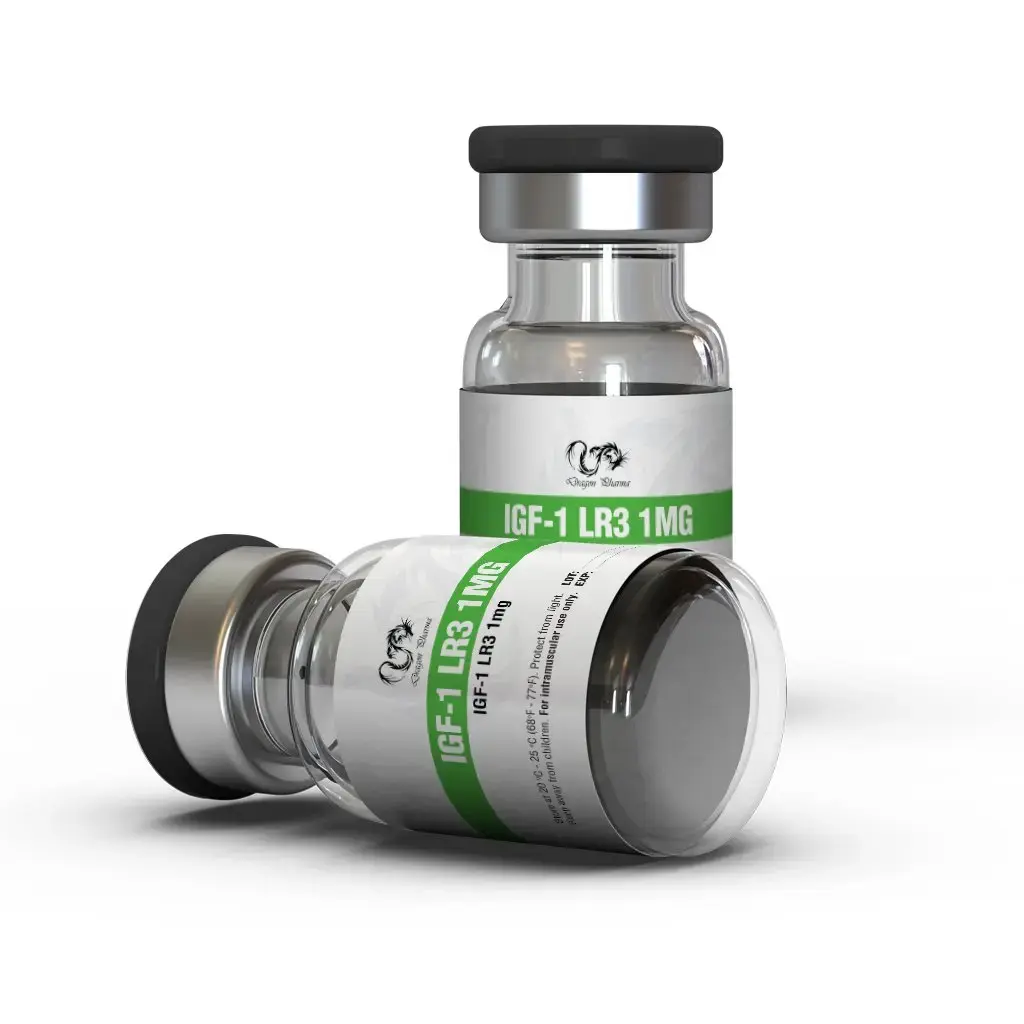
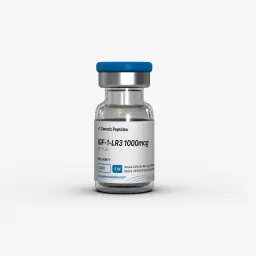
Original IGF-1 LR3 by Dragon Pharma
Product Overview
IGF-1 LR3 1 mg contains Insulin-like Growth Factor-1 Long R3 (IGF-1 LR3), a synthetic long-acting analogue of human Insulin-like Growth Factor-1 manufactured by Dragon Pharma. IGF-1 LR3 has been modified to extend its biological activity and reduce binding to insulin-like growth factor binding proteins (IGFBPs), allowing for prolonged receptor activation compared with native IGF-1.
IGF-1 LR3 has been widely investigated for its potential role in skeletal muscle growth, tissue regeneration, cellular proliferation, recovery, and metabolic regulation. It is considered an investigational peptide and is not approved for routine therapeutic use in most countries.
Product Class
- Insulin-Like Growth Factor (IGF) Peptide
- Long-acting IGF-1 analogue
- Growth factor research peptide
- Investigational compound
Active Ingredient
- Insulin-like Growth Factor-1 Long R3 (IGF-1 LR3)
- Concentration: 1 mg per vial
- Pack Size: Single vial
Indications
Clinical Research
IGF-1 LR3 has been investigated in research involving:
- Growth hormone and IGF-1 physiology
- Muscle wasting disorders
- Cellular regeneration
- Tissue repair
- Metabolic regulation
- Exercise recovery
Performance Context
Within bodybuilding and performance communities, IGF-1 LR3 is commonly associated with:
- Lean muscle development
- Recovery following resistance training
- Body recomposition
- Support for muscle cell growth
- Recovery during intensive training programs
Mechanism of Action
IGF-1 LR3 binds to the Insulin-like Growth Factor-1 (IGF-1) receptor, activating intracellular signaling pathways involved in cellular growth, differentiation, and protein synthesis.
Its biological activity has been associated with:
- Activation of protein synthesis
- Cell proliferation
- Muscle cell development
- Tissue regeneration
- Recovery following exercise
- Glucose and amino acid utilization
The Long R3 modification extends circulating activity compared with endogenous IGF-1 by reducing affinity for IGF binding proteins.
Pharmacokinetics
- Classification: Long-acting IGF-1 analogue
- Administration: Injectable peptide
- Concentration: 1 mg per vial
- Extended Activity: Longer duration than native IGF-1 due to reduced IGFBP binding
Compared with endogenous IGF-1, IGF-1 LR3 provides prolonged receptor activation, making it one of the most extensively studied growth factor analogues in peptide research.
Potential Benefits
- Support for lean muscle development
- Promotion of protein synthesis
- Exercise recovery support
- Body recomposition
- Cellular regeneration research
- Support for connective tissue repair
Synergy & Stacking
Within peptide research and performance discussions, IGF-1 LR3 is frequently referenced alongside compounds that target complementary growth hormone and regenerative pathways.
- Growth Hormone (HGH): Commonly discussed because endogenous GH naturally stimulates IGF-1 production.
- CJC-1295 DAC: Frequently referenced for stimulating endogenous growth hormone release.
- Ipamorelin or Hexarelin: Often discussed alongside GH secretagogues.
- BPC-157: Commonly associated with tissue repair research.
- TB-500: Frequently discussed for connective tissue recovery.
- GHK-Cu: Often included in regenerative peptide protocols.
Although combinations are frequently discussed within peptide communities, safety and effectiveness have not been established through large clinical trials. Professional medical supervision is recommended when investigational compounds are considered.
HRT/TRT Application
IGF-1 LR3 is not a Testosterone Replacement Therapy (TRT) or Hormone Replacement Therapy (HRT) medication. It does not replace testosterone or stimulate endogenous testosterone production. Instead, it acts directly through the IGF-1 receptor to influence cellular growth and anabolic signaling pathways.
Dosing and Use
Dosing recommendations vary depending on research objectives, clinical circumstances, and investigational protocols. Because IGF-1 LR3 is not approved for routine therapeutic use, there are no universally accepted dosing guidelines.
Within peptide research and performance discussions, administration practices differ considerably depending on protocol design, duration of use, and individual treatment goals. Route of administration, frequency, and overall treatment duration should be determined by a qualified healthcare professional experienced with peptide therapies.
Female Use
IGF-1 LR3 is non-androgenic and is not associated with the virilization typically seen with anabolic steroids. Research has included both male and female populations; however, comprehensive long-term safety data remain limited.
Pregnant or breastfeeding women should avoid investigational peptide use unless specifically advised by a qualified healthcare professional.
Pre-Cycle Requirements
- General medical evaluation
- Fasting blood glucose
- HbA1c assessment
- IGF-1 measurement (when appropriate)
- Liver Function Tests
- Kidney Function Tests
- Complete Blood Count (CBC)
- Medication review
Comparative Analysis
IGF-1 LR3 vs Native IGF-1
- IGF-1 LR3 has a significantly longer duration of biological activity.
- Native IGF-1 is rapidly bound by IGF binding proteins.
IGF-1 LR3 vs HGH
- IGF-1 LR3 directly activates the IGF-1 receptor.
- HGH stimulates endogenous IGF-1 production through the liver.
IGF-1 LR3 vs CJC-1295
- IGF-1 LR3 acts directly at the IGF-1 receptor.
- CJC-1295 stimulates pituitary growth hormone release.
IGF-1 LR3 vs Hexarelin
- IGF-1 LR3 directly promotes IGF-1 receptor activation.
- Hexarelin increases endogenous growth hormone secretion through GHS-R activation.
Conclusion
IGF-1 LR3 1 mg is a long-acting Insulin-like Growth Factor analogue investigated for its effects on muscle development, cellular regeneration, tissue repair, and anabolic signaling. Its prolonged biological activity distinguishes it from native IGF-1, making it one of the most extensively studied growth factor peptides in regenerative and performance research. While promising in experimental settings, IGF-1 LR3 remains an investigational compound that should only be used under appropriate medical supervision.
IGF-1 LR3 FAQ
What is IGF-1 LR3 used for?
IGF-1 LR3 is investigated for muscle growth, tissue regeneration, protein synthesis, recovery, and body composition research.
How is IGF-1 LR3 different from IGF-1?
IGF-1 LR3 contains structural modifications that reduce binding to IGF binding proteins, providing a longer duration of biological activity than native IGF-1.
Does IGF-1 LR3 increase muscle growth?
Research suggests that IGF-1 LR3 activates signaling pathways involved in protein synthesis and muscle cell development, although clinical outcomes vary and remain under investigation.
Can IGF-1 LR3 be combined with growth hormone peptides?
Research discussions commonly reference combinations with HGH, CJC-1295, Hexarelin, Ipamorelin, BPC-157, and TB-500 because they influence complementary biological pathways.